Skip to content
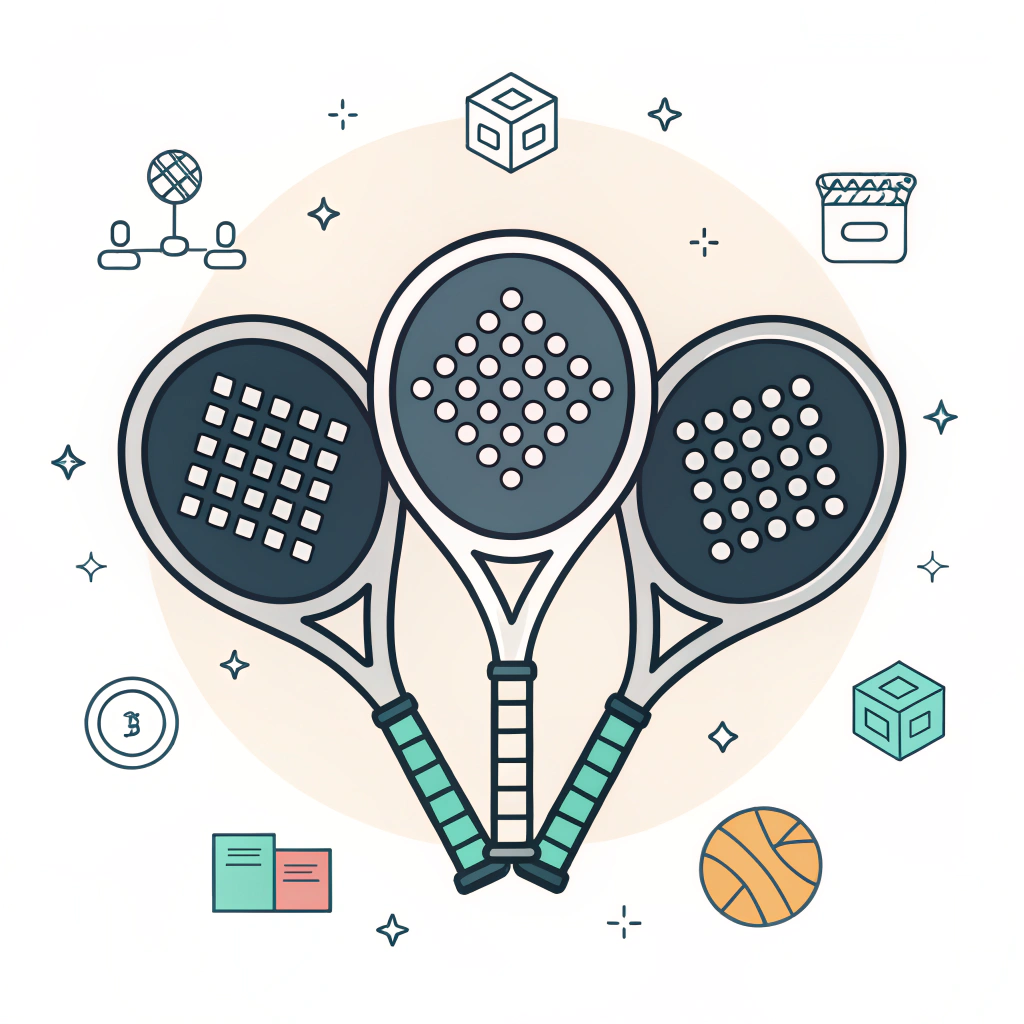
Quick answer — If you need a ready-to-run vendor brief for custom padel rackets, prioritize the knobs that change brand perception and unit cost most: materials (fiberglass vs 3k/12k/18k carbon1), racket shape (Diamond/Round/Teardrop), printing method (full-wrap vs spot / PMS2 color matching), balance & weight tuning, MOQ3 and sample lead time**. Ask your OEM for a simple specification sheet, a prototype timeline (3–6 weeks typical), and a pre-production quality checklist before signing an order.
Problem: You want private‑label padel rackets that sell — without surprises
- You are a product/brand manager who must convert a design concept into a reliable production line.
- Common failures: a great visual that fades or delaminates, mismatched weight/balance, unexpected MOQ hikes, long lead times, or poor QC at arrival.
- The root cause is usually unclear vendor briefs, ambiguous artwork/specs, and overlooked production constraints.
Why this matters now
- Padel is growing fast. First orders define your brand reputation.
- Small mistakes (color, balance, grip feel) cost marketing momentum and inventory value.
- A practical, vendor‑ready brief reduces sample cycles, shortens lead time, and controls costs.
What to include in a vendor brief — the one‑page essentials (use this as your checklist)
- Brand / SKU basics
- Brand name, SKU code, launch date target, target retail price.
- Racket core specs (required minimum)
- Shape: Diamond / Round / Teardrop (or custom).
- Weight target (in grams) ± tolerance (e.g., 360 ± 5g).
- Balance point (cm from handle) or head-light / head-heavy.
- Thickness and core density if relevant.
- Material specification
- Face: Fibreglass or carbon types (3k / 12k / 18k) — specify ply schedule.
- Core: EVA type and hardness (e.g., 45/55/65 shore).
- Edging / bumper material.
- Surface / finish
- Branding & hardware
- Logo files (vector .AI/.EPS), placement (handle cap, throat, face), and size in mm.
- Grip type and color; custom handle cap/logo details.
- Packaging & accessories
- Individual box dimensions, inserts, spec card, barcodes.
- Bulk carton sizes, units per carton, labeling.
- Quality standards & tests
- Incoming material certificates, peel & adhesion tests, weight & balance tolerance checks, drop tests, appearance acceptance criteria.
- MOQ3 / pricing / lead time
- Desired MOQ and acceptable alternates; request tiered pricing.
- Sample lead time and bulk lead time (factory to FOB).
- Samples & approvals
Include a short table in your brief so the factory can fill numbers quickly.
Materials and how they affect cost and performance
- Fibreglass: lowest cost, softer feel, forgiving for entry-level players and mass-market SKUs.
- 3k carbon1: visible twill, better stiffness-to-weight ratio; good mid-range option.
- 12k / 18k carbon: smoother finish, higher stiffness and energy return, premium price.
Table — Quick comparison (per-racket impact and buyer tradeoffs)
| Material | Feel / Performance | Visual / Branding | Cost impact |
|---|---|---|---|
| Fibreglass | Softer, more control | Less premium look | Low |
| 3k Carbon | Balanced stiffness | Distinct twill texture | Medium |
| 12k Carbon | Higher stiffness, crisp power | Smoother glossy finish | High |
| 18k Carbon | Highest stiffness and pro feel | Premium smooth look | Highest |
Note: Layer schedule, resin system, and core EVA density often change feel more than single-layer material choice.
Design & printing: what drives perceived quality
- Full-wrap printing (sublimation) gives edge-to-edge graphic continuity — ideal for strong shelf presence.
- UV / screen printing + varnish is durable and can deliver spot textures (gloss/matte contrast).
- For consistent brand color use PMS2 (Pantone) codes and require a printed color swatch (physical) before bulk run.
- Vector art and layered files: provide AI/EPS with separate color layers, mask for cut lines, and a flattened PDF for reference.
Artwork checklist (to attach with brief)
- Vector logo files (.AI/.EPS) + outlined fonts.
- High‑res mockup (300dpi) PNG.
- PMS color references and sample swatch.
- Exact placement dimensions and safe margins (mm).
Shape, weight and balance: short engineering notes for procurement
- Shape changes playing profile significantly: Diamond = power, Round = control, Teardrop = mixed.
- Weight and balance are the main reasons repeat buyers return or churn. Always specify both with acceptable tolerances.
- If you want to tune balance, request internal weight redistribution options (metal weight inserts, handle weights).
Practical tolerances to request:
- Weight: ±5g for consumer crate; ±3g for premium lines.
- Balance: ±0.5 cm.
Sample process and realistic timelines
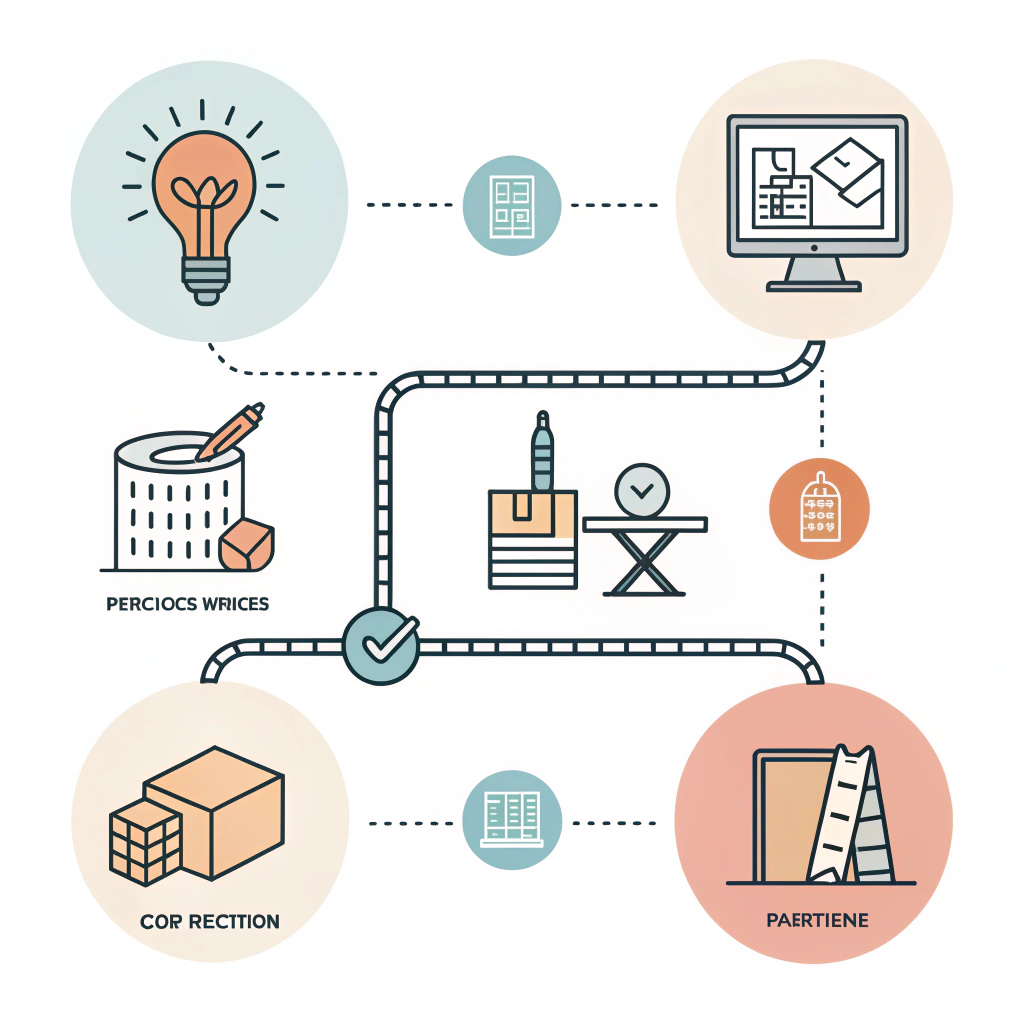
- Concept → CAD & artwork: 3–7 days.
- Hand sample / prototype (non-painted): 7–14 days.
- Fully finished pre-production sample (PPS): 10–21 days.
- Tooling / mold adjustments (if custom shape): add 1–3 weeks.
- Bulk production lead time (after sample approval): 4–8 weeks depending on MOQ and factory schedule.
Always request a sample timeline and an escalation plan for delays. For first orders expect total lead time 6–12 weeks from art sign-off.
MOQ, pricing and negotiation points
- MOQ drivers: tooling for special shapes, printing plates, and minimum carton quantities.
- Typical ranges:
- Standard shapes with standard colors: MOQ 200–500 units per SKU.
- Full custom shapes / low-volume colors: MOQ 500–2,000.
- Ask for tiered pricing (e.g., 500 / 1,000 / 2,000 units) and unit cost breakouts (materials, printing, packaging).
- Negotiate payment terms linked to milestones: deposit / sample approval / shipment.
Sample cost negotiation:
- Expect to pay for a fully finished sample (~2–6× unit price depending on materials). Negotiate to have sample cost credited against first order.
Quality control: what to request before shipment
- Factory must provide:
- For overseas orders, arrange third-party inspection at final packing (AQL5 2.5 or 1.5 depending on risk appetite).

Key acceptance criteria (examples)
- Cosmetic: no bubbling, misprints, or peeling > 2 mm.
- Mechanical: weight within tolerance, balance within tolerance.
- Function: edge bumper intact, handle cap securely glued.
How to evaluate a vendor like NEX Padel (vendor checklist)
- Manufacturing capability: Do they handle materials from fiberglass to 18k carbon? Can they tune core EVA?
- Portfolio & references: Have they produced for known brands (e.g., Hirostar, Reebok, Starvie)?
- Sample speed: How quickly do they provide hand and finished samples?
- Printing & color control: Do they accept PMS2 and provide test swatches?
- MOQ flexibility & pricing transparency: Is there tiered pricing and clear cost breakup?
- QC & certifications: Can they provide FAI4 reports and third‑party inspection access?
- Additional services: Packaging design, custom grips, and supply of padel balls (wool content 45%/57% and pressurized tube packaging) are value adds.
Practical red flags
- Vague answers on tolerances, no sample photos, delayed sample delivery, or unwillingness to sign small technical agreements.
Case & data: what buyers report
- Buyers switching from mass fibreglass to 3k carbon often report better perceived value with a 15–30% price premium.
- Full-wrap sublimation vs spot printing increases perceived retail conversion in club stores where shelf visuals dominate.
- Investing in a single well-made pre-production sample reduces rework rates by ~40% in first production runs.
Summary + action checklist (what to do this week)
- Prepare the one-page vendor brief using the above checklist.
- Gather artwork: vector logos + PMS colors + mockups.
- Request from the vendor: sample timeline, sample pricing, MOQ tiers, and FAI checklist.
- Order a finished pre-production sample and a test batch of 100–200 units if possible.
- Book a third-party inspection for first bulk shipment.
If you want a ready vendor brief template or sample sign-off checklist we use at NEX Padel, request it when you contact us. We support OEM/ODM padel with fast sampling, carbon from 3k to 18k, three classic shapes (Diamond, Round, Teardrop), full customization of printing, grips and handle caps — and we also source padel balls (45% or 57% wool pressurized) to complete your private‑label offering.
People Also Ask
How to design a padel racket?
- Start by defining target player profile (beginner / club / advanced) and the playing traits you want (power, control, balance). Choose a shape (Diamond = power, Round = control, Teardrop = mixed), specify weight and balance tolerances, select face materials (fiberglass or carbon types) and core EVA density, and prepare vector artwork with PMS2 colors and exact logo placement. Finish with a prototype and playtest to confirm feel before bulk production.
What brand makes the best padel rackets?
- There is no single "best" brand—top models differ by intended player and design emphasis. Leading options (Adidas, NOX, Dunlop, Head, Babolat, Bullpadel) each optimize different combos of shape, weight and materials. For private label, match your design and price point to the target player rather than chasing a single brand name.
Do expensive padel rackets make a difference?
- Price correlates with materials and build consistency: higher-end rackets typically use higher-grade carbon, tighter tolerances, and more quality checks, which can benefit players who already have stable technique. For new players, a mid-range racket with correct weight and balance often provides better value than the most expensive option.
-
3k/12k/18k carbon: Read to understand how carbon weave counts and surface twill affect stiffness, finish, and cost. This helps you pick the right face construction and specify a ply schedule that matches your price and performance targets. ↩ ↩2
-
PMS: Read to learn why using Pantone (PMS) codes and physical swatches matters for consistent brand color across print, paint, and sublimation processes—critical to avoid costly color mismatches in bulk runs. ↩ ↩2 ↩3 ↩4 ↩5
-
MOQ: Read to learn the drivers behind minimum order quantities (tooling, printing plates, carton sizes) and how to negotiate tiered pricing and alternate MOQ strategies to protect cash flow while scaling. ↩ ↩2
-
FAI: Read to learn what a First Article Inspection should include (dimensional checks, photos, functional tests) and how to use FAI results to lock in tolerances and prevent batch-wide defects. ↩ ↩2 ↩3
-
AQL: Read to understand Acceptable Quality Level sampling (how sample sizes and defect thresholds work) so you can set meaningful inspection plans and avoid surprise rejection or rework costs. ↩ ↩2