Skip to content

Here's a quick answer: The production process of a padel racket involves selecting high-performance composite materials (such as carbon fiber1 or fiberglass2), precise composite lay-up3, molding, curing in an automated pressurized environment, and meticulous finishing including hand grip customization. This process ensures that every racket offers optimal performance, durability, and a tailored design that meets supplier and end-user requirements.
In today’s competitive sports equipment market, manufacturing quality padel rackets requires a well-organized, technologically advanced production process. For procurement and manufacturing professionals, understanding this flow is crucial to evaluating supplier capabilities and optimizing supply chain decisions. At NEX Padel, we have designed our production line to integrate advanced techniques with strict quality control protocols4. This article outlines the step-by-step process of padel racket production, highlights key considerations in material selection, and offers practical insights into process optimization.
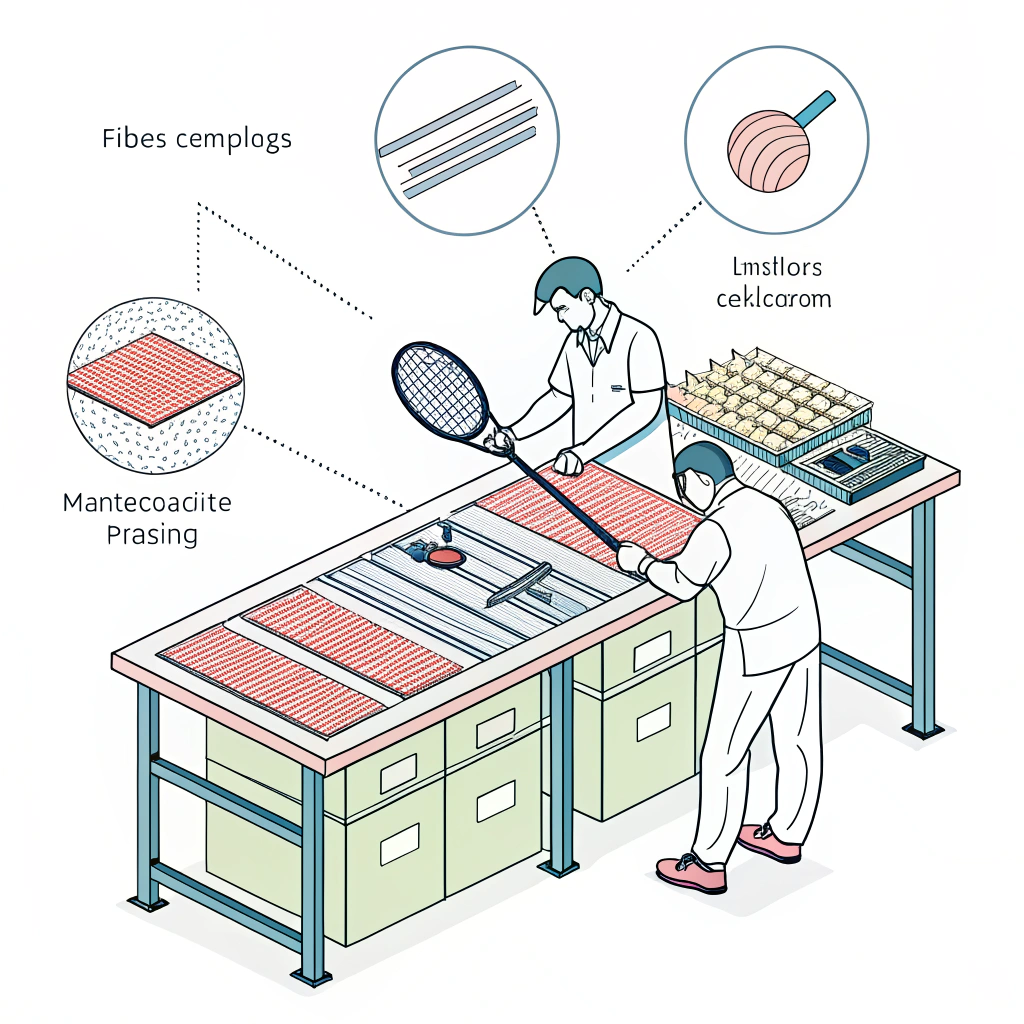
Manufacturing a high-performance padel racket is more than just assembling parts. It involves balancing multiple layers of composite materials and ensuring dimensional precision in every unit produced. The main challenges include:
- Achieving a consistent composite lay-up3 that blends carbon fiber, fiberglass, and other advanced materials.
- Maintaining precise control during the molding and curing processes5 to avoid defects.
- Offering flexible customization options (e.g., unique shapes, logos on hand grips) without compromising production efficiency.
- Implementing automation in non-critical operations, while ensuring artisanal detail where necessary.
Procurement professionals need to be aware of these challenges to make informed decisions when selecting suppliers and negotiating production terms. Understanding the underlying production methodology also supports better risk management and quality assurance planning.
The process starts with the selection of the right materials. For high-performance padel rackets, the most commonly used materials are carbon fiber1 and fiberglass2. Each material has its advantages:
- Carbon Fiber (3k, 12k, and 18k): Offers superior stiffness, lightweight performance, and durability. This material is perfect for intermediate to advanced rackets.
- Fiberglass: Known for its flexibility, comfort, and cost-effectiveness, making it suitable as an entry-level or beginner option.
NEX Padel leverages advanced quality checks to ensure that each raw material batch meets our stringent performance standards. This meticulous selection process is key to preventing defects in later stages.
Once the materials are selected, the next step is the composite lay-up3. This is a detailed process where layers of fibers are arranged in specific orientations to optimize strength and responsiveness. During this phase, the following aspects are crucial:
- Precision Alignment: Ensuring that each fiber layer aligns correctly to maximize the stiffness-to-weight ratio.
- Resin Application: Uniform application of resin is critical. Excess resin can add unwanted weight, while insufficient resin can lead to weak bonding.
For example, a typical lay-up might involve alternating layers of carbon fiber and fiberglass to achieve a balance between power and control. Automated systems combined with manual inspections are employed to ensure consistency throughout the production batch.
After the composite layers are assembled, the next key step is molding. The composite material is transferred into precisely designed molds that shape the padel racket into its distinct Diamond, Round, or Teardrop configurations. Key steps in this stage include:
- Mold Preparation: Cleaning and pre-heating of molds ensure a seamless transfer of materials.
- Pressurized Curing: The composite material is placed in a curing press where heat and pressure are applied simultaneously. This not only solidifies the material but also ensures a compact structure free from air bubbles or voids.
The molding and curing processes5 remain one of the most critical stages in production. Optimal temperature and pressure settings are determined based on material properties, and continuous monitoring systems are in place to achieve reproducible results. In our facilities, we use state-of-the-art curing presses that allow full control over these parameters.
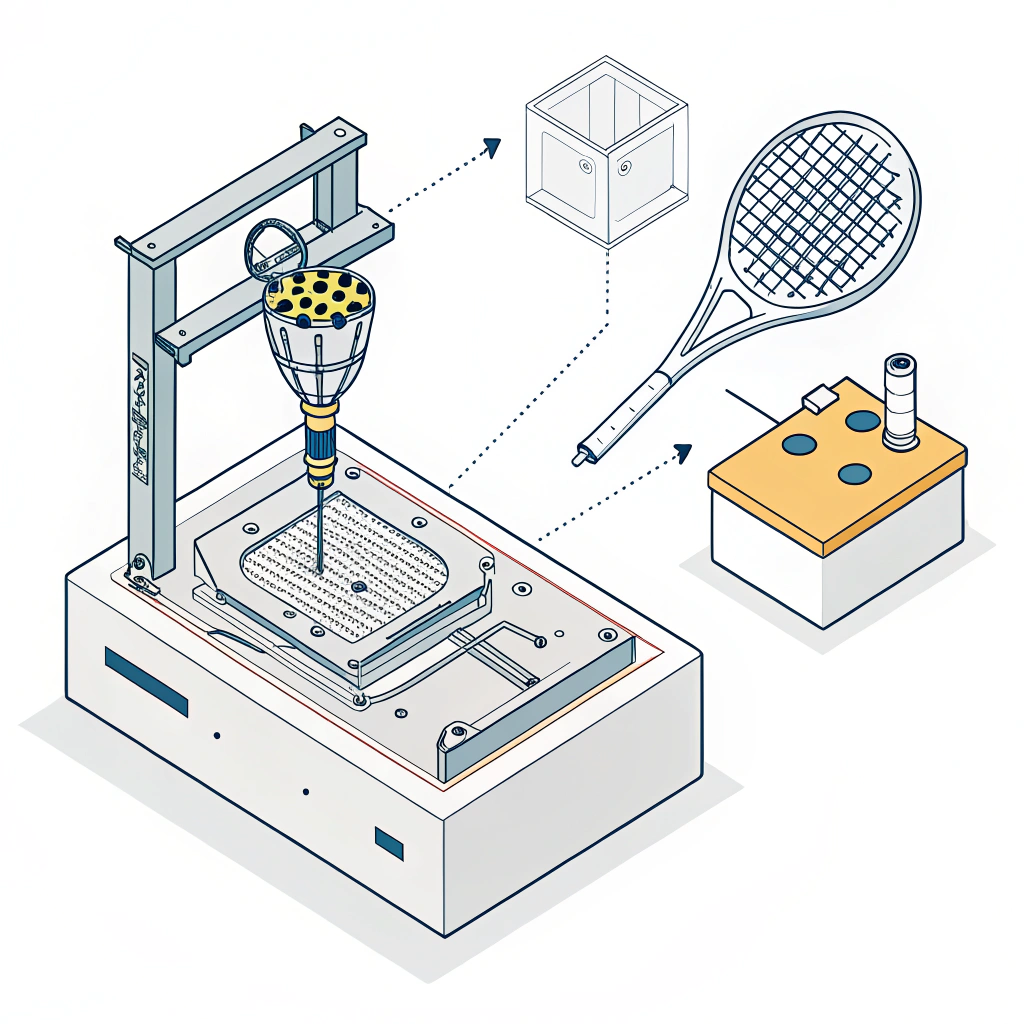
Post-curing, the padel racket undergoes a series of finishing processes. These tasks focus on aesthetics as well as ensuring optimal grip and balance. The finishing phase includes:
- Trimming and Polishing: Excess material is trimmed away, and surfaces are polished to achieve a smooth finish.
- Hand Grip Customization: Customers can choose different designs and materials for the hand grip. Options include custom logos and colors, ensuring the product meets branding and performance standards.
- Final Assembly: This includes the attachment of protective covers and additional components like bumpers or integrated vibration dampers.
Each step is backed by quality control protocols that use both manual checks and automated inspection systems. For instance, a series of sensors measure the thickness and weight distribution of the finished racket, ensuring each product aligns with our performance benchmarks.
Quality control is embedded at every stage of the production process. From receiving the raw materials to final product testing, each step is documented and monitored. Key metrics in our quality control process include:
- Material integrity checks: Testing for fiber alignment, resin distribution, and overall material density.
- Dimensional accuracy checks: Using laser measurement tools to verify mold accuracy.
- Performance simulation: Rackets are subjected to stress tests that simulate real game conditions to ensure durability and performance.
This rigorous testing ensures that every padel racket leaving our facility stands up to the highest quality standards. It also provides valuable data for continuous improvements in production processes.
For companies seeking to improve their padel racket manufacturing processes, consider the following solutions:
| Production Stage | Best Practices | Benefits | Potential Challenges |
|---|---|---|---|
| Material Selection | Source high-quality carbon fiber and fiberglass | Enhanced durability and performance | Material inconsistency |
| Composite Lay-Up | Use automated fiber placement combined with manual checks | Optimal stiffness and weight ratio | Requires precise control and expertise |
| Molding & Curing | Implement advanced curing presses and real-time monitoring | Reduced defects and precise molding | High initial investment |
| Customization | Integrate digital printing for logos and colors | Tailored solutions for clients | Complexity in production scheduling |
| Quality Control | Employ both automated sensors and manual inspections | High consistency, lower defect rates | Increased production time and cost |
Adopting the above practices can significantly reduce production variability and improve overall efficiency. As production scales up, integrating automation in non-critical areas further enhances throughput while preserving critical artisanal details.
Manufacturers today face the dual challenge of scaling production while maintaining quality. NEX Padel's approach to innovation includes:
- Automation: Where possible, automation is used to streamline the composite lay-up and curing processes. Robotics in material handling and precision cutting equipment optimize labor-intensive tasks.
- Supplier Collaboration: Work closely with raw material suppliers to ensure consistency in material properties. Regular audits and collaborative planning sessions improve communication and reduce supply-chain disruptions.
- Continuous Improvement: Lean manufacturing principles are applied to identify bottlenecks and implement process improvements. Key performance indicators (KPIs) are monitored continuously to refine production methods.
- Customization at Scale: Advanced ordering systems allow for mass customization. Customers can choose design specifications online, and production systems automatically adjust to meet these requirements without compromising efficiency.
These innovations not only bolster production quality but also create a resilient supply chain that can adapt to market demands and technological advancements.
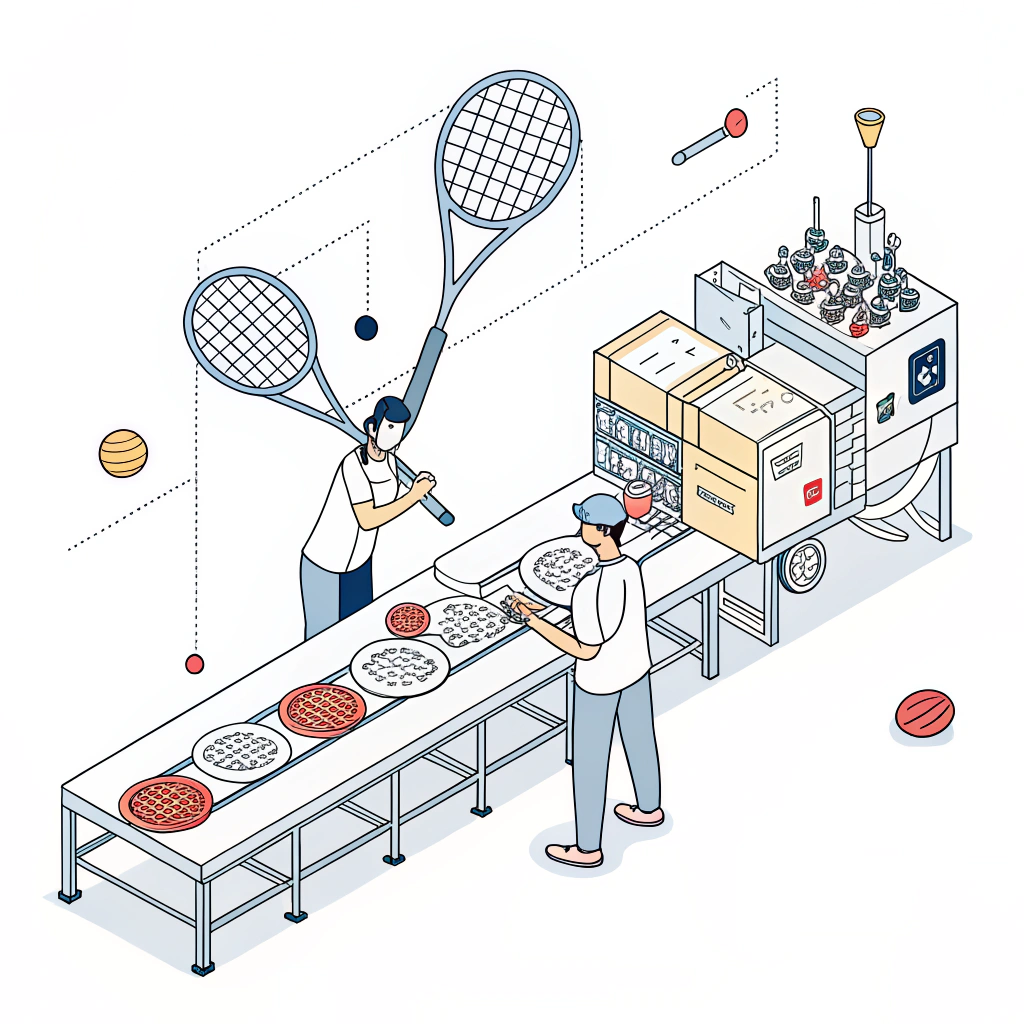
The production of padel rackets is a multi-stage process that requires a combination of advanced technology, strict quality control, and flexible customization options. By optimizing material selection, composite lay-up, molding, curing, and finishing processes, manufacturers can deliver rackets that provide exceptional performance and durability.
For procurement and manufacturing professionals, understanding these manufacturing nuances is key to:
- Evaluating Supplier Capabilities: Verify that suppliers like NEX Padel have robust automated processes and quality control mechanisms.
- Ensuring Supply Chain Resilience: Consider the supplier’s ability to source high-quality materials consistently and maintain production efficiency.
- Supporting Production Decisions: Choose production processes that align with your strategic objectives, whether it be cost reduction, quality enhancement, or customization capabilities.
In summary, the efficient production of padel rackets is driven by a combination of technological advancement and process optimization. By continuously refining these processes, manufacturers can meet the growing demand for high-performance sports equipment while reducing waste and improving profitability. We encourage industry professionals to examine their existing supply chain and production workflows to identify opportunities for integration with advanced techniques such as those employed at NEX Padel.
Q: What is the construction of padel racket?
A: Padel rackets are constructed using high-strength composite materials such as carbon fiber or fiberglass. The face and frame are made using precisely layered composites that combine stiffness with flexibility. Fiberglass is typically used for beginner rackets due to its comfort and cost-effectiveness, while carbon fiber is preferred in intermediate to advanced models for its durability and performance.
Q: What is the padel racket made of?
A: A padel racket is primarily made of composite materials, with the most common being carbon fiber and fiberglass. These materials are chosen for their superior strength, lightweight characteristics, and improved control. Fiberglass offers a cost-effective option, while carbon fiber provides enhanced performance for higher-end rackets.
Q: What is the evolution of padel rackets?
A: Padel rackets have evolved significantly from their early wooden paddle designs to the modern composite designs. Initially, rackets were made of wood, but advancements in materials led to the introduction of fiberglass and carbon fiber composites. This evolution has resulted in rackets that offer better durability, power, control, and overall performance.
-
Carbon Fiber: Click to learn about the properties, manufacturing techniques, and advantages of using carbon fiber in high-performance sporting goods. ↩ ↩ ↩2
-
Fiberglass: Click to discover the benefits and applications of fiberglass in sports equipment manufacturing, focusing on its cost-effectiveness, flexibility, and performance. ↩ ↩ ↩2
-
Composite Lay-Up: Click to explore the technical process of composite lay-up, including fiber orientation and resin application, essential for optimizing material strength and weight. ↩ ↩ ↩2 ↩3
-
Quality Control Protocols: Click to delve into quality control protocols that are vital for ensuring consistent production standards and minimizing defects across manufacturing batches. ↩ ↩
-
Molding and Curing Processes: Click to understand how precise molding and pressurized curing processes influence the final product quality, affecting durability and performance. ↩ ↩ ↩2