Skip to content

The rising EVA foam1 prices significantly impact padel racket quotations by increasing overall manufacturing costs, which in turn affects supplier pricing and strategic sourcing2 decisions. In this article, we break down the causes of these rising costs and propose actionable strategies for procurement managers and product development leads to mitigate the impact on their budgets.
As the cost of EVA foam1 rises, padel racket manufacturers are facing increased raw material expenses, resulting in higher production and quotation costs. EVA foam, a key component in padel equipment manufacturing, is prized for its durability and cushioning properties. However, recent market disruptions, supply chain pressures, and growing demand have pushed its price upward. This situation forces procurement managers and product development leads to re-evaluate their sourcing strategies to ensure consistent quality while maintaining cost control.
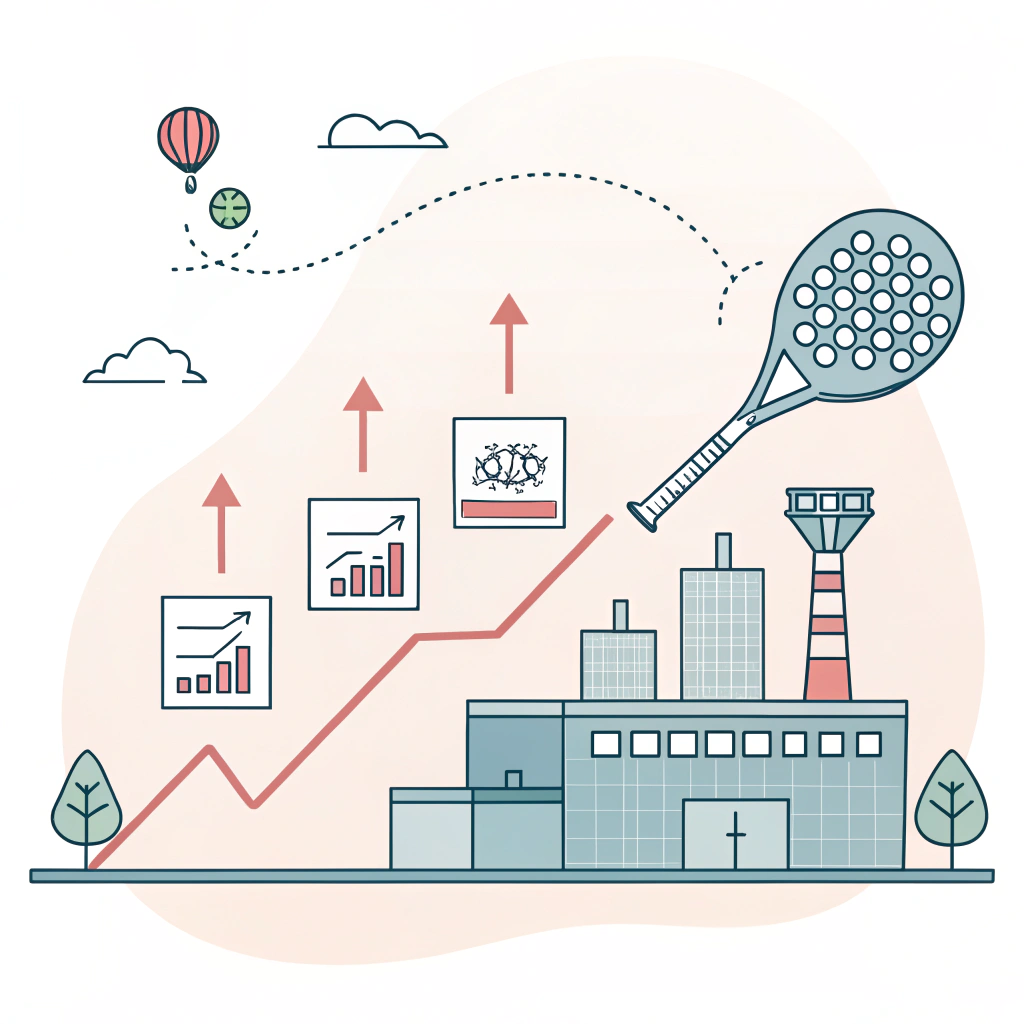
Several factors have contributed to the current rise in EVA foam prices. A deep dive into the market reveals that these factors are inter-related and require a comprehensive understanding:
-
Supply Chain Disruptions3: Global logistics challenges, including port congestions and transportation delays, have disrupted the steady flow of raw materials. Even manufacturers experienced delays in shipments, driving up costs.
-
Raw Material Shortages: Increased demand for EVA foam in various industries – from sports equipment to automotive – leads to fierce competition over limited supplies. This scarcity directly affects the production costs for padel racket components.
-
Inflationary Pressures: Rising energy costs and raw material inflation also play significant roles. As production and energy costs climb, suppliers pass these costs down the supply chain to manufacturers.
-
Market Volatility: Price fluctuations in secondary raw materials and market speculation add further uncertainty. The ever-changing global economic landscape can lead to temporary spikes in raw material prices.
Understanding these dynamics is crucial for procurement managers tasked with balancing cost and quality. Detailed cost analysis and forecasting become necessary to avoid unforeseen budget overruns.
For a company like ours at NEX Padel, these rising prices affect several aspects of the production cycle:
-
Quotation Adjustments: The cost of EVA foam directly influences the final quote. When raw material pricing increases, manufacturers may need to revise their pricing models, thus affecting large orders and ongoing contracts.
-
Product Quality and Consistency: Choosing cheaper alternatives might jeopardize the quality of the final product. Padel rackets require materials with specific mechanical properties to ensure durability and performance. Hence, maintaining quality becomes more challenging when budgets are squeezed.
-
Profit Margins Pressure: For companies acting as OEM4 or those under contract from top brands like Hirostar, Reebok, and Starvie, cost increases can narrow profit margins if not managed appropriately through strategic sourcing and cost negotiation.
-
Customization Flexibility: Rising costs might lead to fewer opportunities for customization in paddle racket design, such as shape, coloration, and custom logos on hand grips, if manufacturers feel pressured to economize.
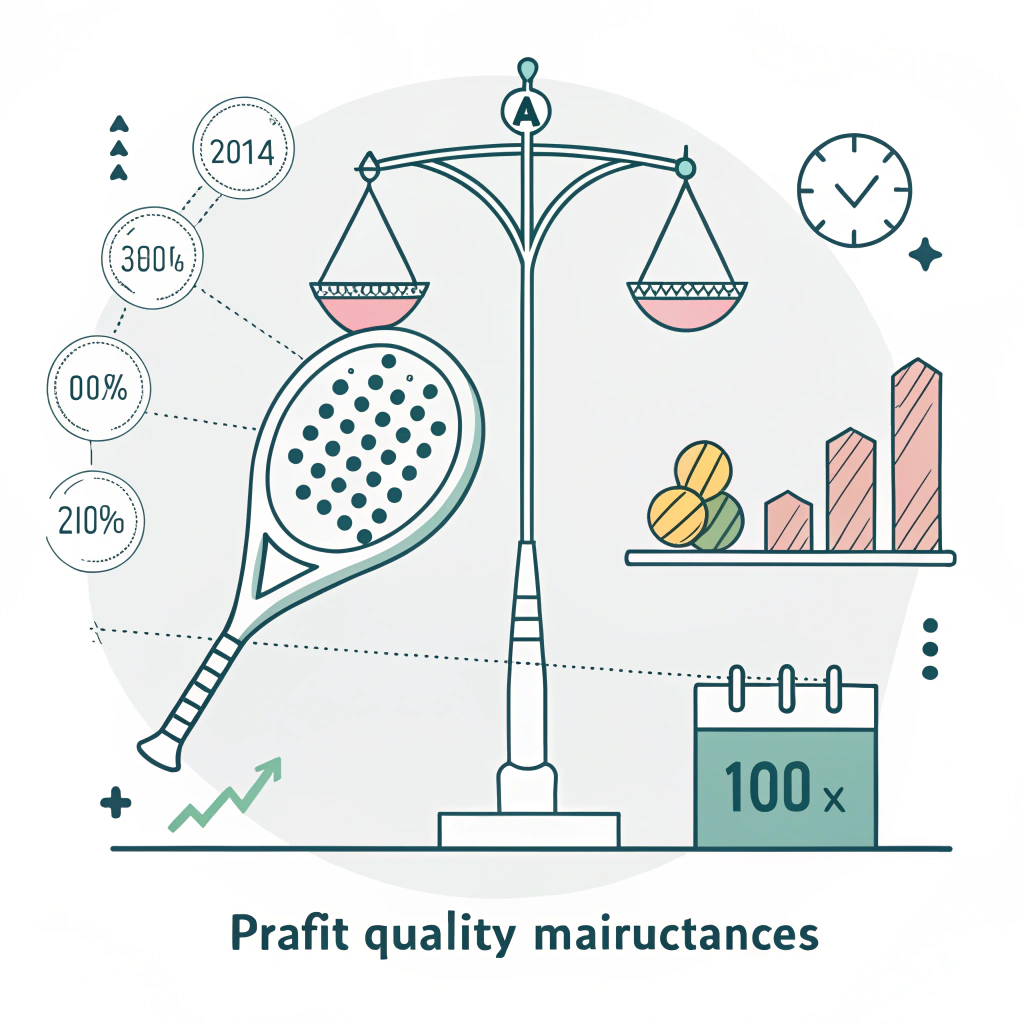
To address these issues, manufacturers and procurement managers should consider various strategic approaches. Below is a table that outlines key factors, their impacts, and potential mitigation strategies:
| Factor | Impact on Manufacturing | Mitigation Strategies |
|---|---|---|
| Supply Chain Disruptions | Delayed shipments; increased costs | Diversify supplier base; build buffer stock; utilize alternative logistics providers |
| Raw Material Shortages | Increased raw material prices | Secure long-term contracts; consider volume-based discounts; explore alternative materials |
| Inflationary Pressures | Higher production and energy costs | Monitor market trends; adjust pricing periodically; hedge against commodity price increases |
| Market Volatility | Erratic cost fluctuations | Use dynamic pricing models; incorporate volatility buffers in quotes; adopt agile procurement practices |
These strategies are not one-size-fits-all but require close collaboration between procurement, production, and financial planning teams. By incorporating such measures, companies are better positioned to maintain cost control while ensuring consistent product quality.
To further navigate the challenges posed by rising EVA foam prices, here are several best practices that can be implemented:
-
Regular Market Analysis:
Conduct regular market research to understand the current trends and forecast future changes in raw material prices. Tools like price index tracking and supplier performance reports can help acquire real-time data for proactive decision-making. -
Strategic Sourcing:
Leveraging strong relationships with multiple suppliers can reduce dependence on a single source. This means tapping into diversified regional suppliers or negotiating long-term contracts that lock in prices over an agreed period. -
Agile Procurement5 Processes:
Establish agile procurement practices that allow for rapid adjustments in order quantities or supplier changes when market conditions shift. This might include establishing contingency plans or integrating new digital tools for supplier management. -
Engineering Alternatives:
Consider product design alternatives that can maintain or even enhance performance without overly relying on EVA foam. For instance, integrating new composite materials or using hybrid structures may provide similar performance with more predictable pricing behavior. -
Cost-Pricing Transparency:
Ensure complete transparency in cost breakdowns with your suppliers. Detailed cost analysis on each component – from materials to labor – helps in identifying which cost drivers have the most significant impact on your final product, enabling more informed negotiation. -
Collaborative Planning:
Engage all stakeholders (suppliers, manufacturers, product design teams) in regular planning sessions to share information, align on forecasts, and develop joint strategies that lessen the surprise of cost spikes.

Consider a well-known sports equipment brand that recently faced significant challenges due to rising EVA foam prices. Their procurement team decided to:
- Negotiate with Multiple Suppliers: By engaging with multiple suppliers, the team secured competitive quotes that balanced quality and cost.
- Long-Term Pricing Contracts: A portion of the EVA foam was sourced through long-term contracts, providing price stability.
- Flexible Design Adaptations: The design team modified the racket architecture to utilize less EVA foam without compromising impact performance, thereby reducing dependency on this single raw material.
By adopting these practices, the brand not only managed to stabilize its production costs but also maintained its market reputation for high-quality padel rackets. It serves as a practical example of how strategic planning and supplier management can successfully navigate raw material price volatility.
In summary, rising EVA foam prices challenge manufacturers and procurement managers to become more agile and strategic. Here are the key recommendations:
- Monitor Market Trends Continuously: Stay informed about global supply chain and economic fluctuations.
- Diversify Suppliers: Reduce dependency on a single supplier to mitigate supply chain risks.
- Negotiate Long-Term Contracts: Secure pricing agreements that lessen the impact of market volatility.
- Adopt Agile Procurement Models: Be prepared to adjust order quantities and sourcing strategies as market conditions evolve.
- Consider Alternative Materials and Design Innovations: Reassess design dependencies on volatile materials to achieve better cost predictability without sacrificing quality.
By implementing these measures, companies can maintain competitiveness in a challenging market, ensuring that product quality and profitability are not compromised. For procurement managers and product development leads, these strategies offer a clear path forward in balancing cost management with top-notch performance, thereby strengthening your overall procurement strategy in the sports equipment manufacturing landscape.
People Also Ask
Q: How do rising EVA foam prices affect padel racket quotations?
A: Rising EVA foam prices directly impact padel racket quotations by increasing raw material costs, which leads to higher production expenses. This can result in adjusted quotes and tighter profit margins if alternative strategies are not implemented.
Q: What are the main reasons behind the price volatility in EVA foam?
A: The volatility arises mainly from supply chain disruptions, raw material shortages due to high demand, inflationary pressures, and overall market instability. These factors collectively contribute to unexpected price hikes.
Q: What strategies can companies adopt to mitigate the impact of rising EVA foam prices?
A: Companies can mitigate these effects by diversifying their supplier base, negotiating long-term contracts to stabilize pricing, implementing agile procurement practices, considering alternative design materials, and enhancing transparency in cost breakdowns.
-
EVA foam: Read this article to understand the unique properties, diverse applications, and manufacturing implications of EVA foam in the production of sports equipment. ↩ ↩ ↩2
-
Strategic sourcing: Click here to learn how companies leverage strategic sourcing to optimize supplier relationships and secure cost-effective procurement solutions. ↩ ↩
-
Supply Chain Disruptions: This resource explains how global logistics challenges and other supply chain issues impact manufacturing processes and cost dynamics. ↩ ↩
-
OEM: Discover the role of Original Equipment Manufacturers (OEMs) in product development, production strategies, and their impact on market competitiveness. ↩ ↩
-
Agile Procurement: Explore how agile procurement practices enable businesses to rapidly adjust to market changes and manage supply chain uncertainties effectively. ↩ ↩