Skip to content

High-performance padel rackets offer a competitive edge – selecting the right one means balancing technical specifications, material properties, and design nuances for optimal performance. In this article, we explore the technical facets and factory insights that can help guide your B2B procurement process for padel equipment.
Purchasing managers and product specialists constantly face challenges when sourcing padel rackets due to the wide variety of materials, shapes, and Customization options1 available. The core issues revolve around ensuring that the chosen product matches specific performance criteria while reflecting quality manufacturing standards. Some of the key challenges include:
- Balancing power and control with appropriate weight.
- Choosing between different carbon fiber materials such as 3k2, 12k, and 18k.
- Differentiating between design shapes (Diamond, Round, Teardrop) to meet specific playing styles.
- Managing customization options like color, logo placement, and grip design.
- Ensuring production reliability and timely delivery, critical for maintaining supply chain efficiency3.
These issues underline the need for a clear, solution-oriented approach to selecting high-performance padel rackets.
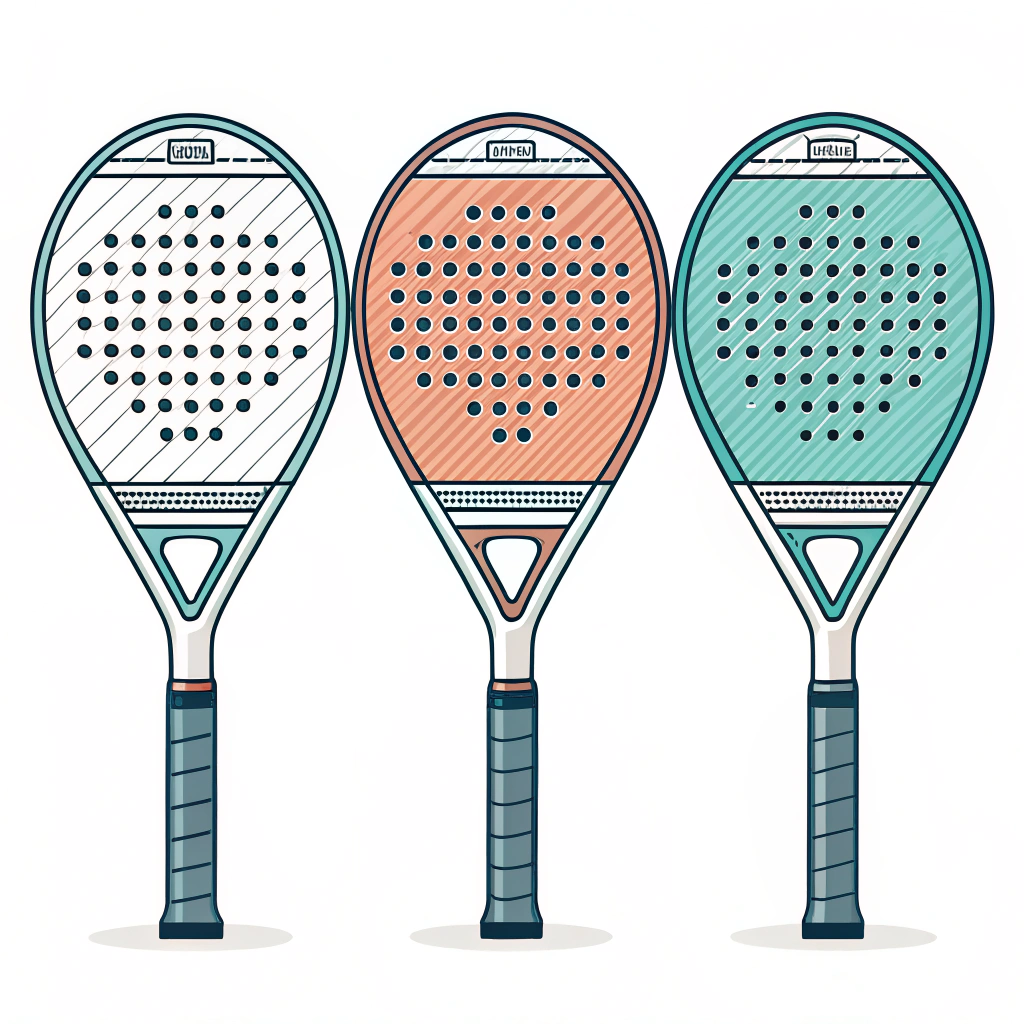
Understanding why these variations exist is crucial to making an informed procurement decision. Here we break down the contributing factors:
-
Material Composition:
- Carbon Fiber Types: Rackets manufactured using different carbon fiber layering processes (3k, 12k, 18k) provide varying levels of stiffness and overall durability. Lower-grade carbon fibers might offer easier maneuverability but reduced precision, whereas higher-grade fibers ensure enhanced durability and power transfer.
- Glass Fiber Integration: Some rackets integrate glass fiber to improve flexibility and control, though this might affect long-term resilience and playability.
-
Design Shapes and Their Impact:
- Diamond Shape: Typically delivers a powerful hit due to its concentrated weight distribution but may limit maneuverability.
- Round Shape: Offers better control with a more balanced weight that favors precision and ease of handling.
- Teardrop Shape: Attempts to merge the benefits of both diamond and round shapes, providing a slight edge in power while keeping decent maneuverability.
-
Customization and Production Techniques:
- The padel industry is dynamic, with manufacturers offering extensive customization options like personalized prints, hand grip designs, and unique color schemes. For B2B buyers, the ability to tailor these specifications not only supports brand differentiation but also meets market demands.
- Advanced production techniques and quality control measures ensure that regardless of the design and material, each racket meets strict performance standards.
A structured approach helps in evaluating the technical aspects of high-performance padel rackets. Below is a comparative table to illustrate the fundamental differences across key dimensions:
| Feature/Aspect | Diamond Racket | Round Racket | Teardrop Racket |
|---|---|---|---|
| Weight Distribution | Heavier in the head for power | Balanced for control | Centered – mix of both |
| Optimal Material | 18k carbon for enhanced strength | 3k/12k carbon for finesse | Mix of 12k with glass fiber elements |
| Customization Options | Custom logo and colors on frame | Custom grip and handle | Versatile customization on both frame and grip |
| Player Type | Aggressive players seeking power | Control-oriented or beginners | Balanced style for all-round play |
| Production Complexity | Requires high precision mold | Standard manufacturing process | Requires hybrid production techniques4 |
This table serves as a guideline to quickly identify which specifications align best with your desired market positioning and performance needs.
To help decision-makers navigate the complex padel racket selection process, consider the following action plan:
-
Assess Your Market Needs:
- Understand the playing styles popular among your customer base.
- Analyze consumer demand for features like enhanced power versus better control.
- Determine the importance of customization and brand differentiation.
-
Evaluate Material Quality and Manufacturing Precision:
- Request detailed technical specifications from manufacturers.
- Compare the performance metrics of different carbon fiber types.
- Look into production process certifications and quality control standards.
-
Conduct a Cost-Benefit Analysis:
- Map out the pricing differences stemming from material choices.
- Evaluate the long-term durability versus initial cost.
- Consider production lead times and custom order requirements as part of the investment.
-
Review Sample Data and Performance Cases:
- Inspect case studies or performance data from previous large-scale orders.
- Verify feedback from industry-leading brands like Hirostar, Reebok, and Starvie.
- Understand how rapid sampling and reliable delivery have played a role in operational success.
-
Collaborate with Production Experts:
- Engage in detailed discussions with manufacturers regarding customization limits.
- Clarify production timelines and expectancies for quality assurance.
- Ensure transparent communication channels to address any production anomalies promptly.
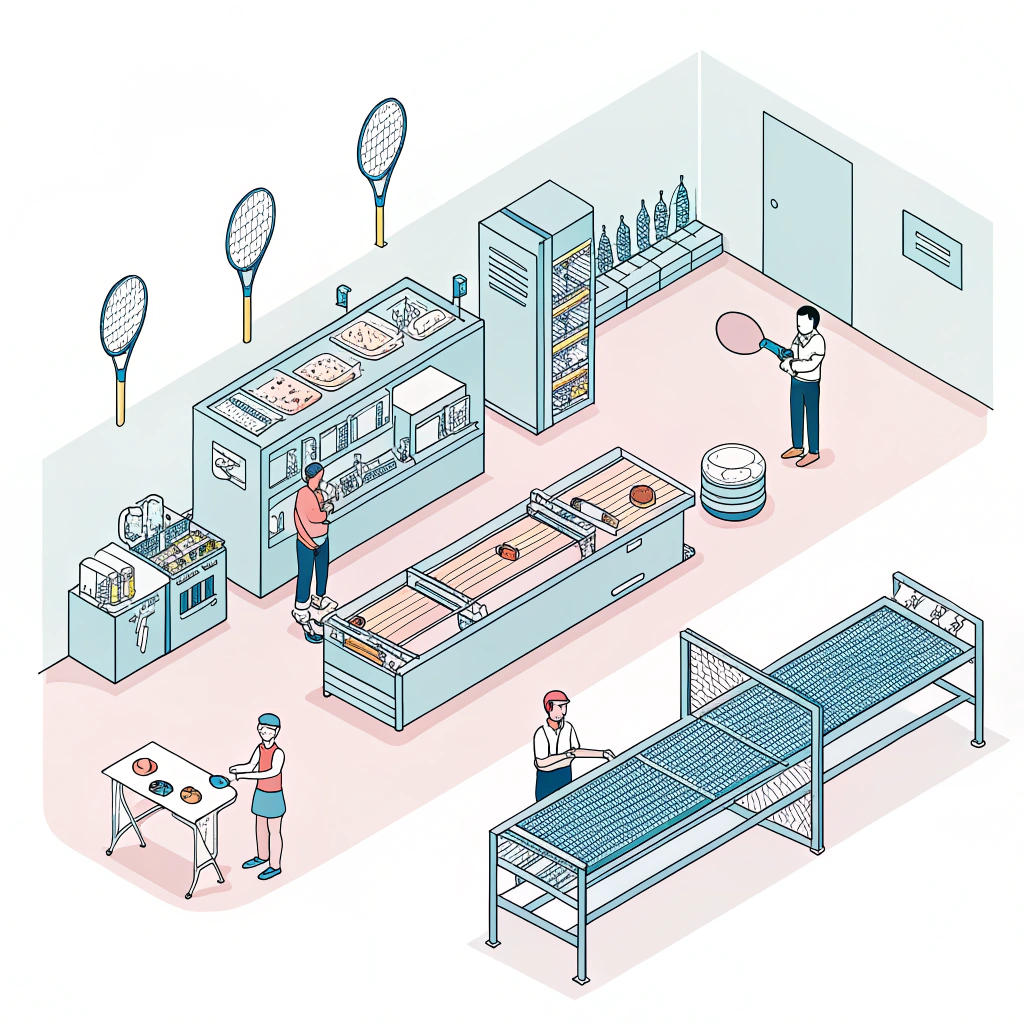
Our experience at NEX Padel—where we produce rackets for leading brands—has provided us with clear insights in addressing B2B purchasing challenges. Here are some key takeaways from our advanced production techniques and quality control processes:
-
Rapid Sampling and Iterative Improvements5: Fast prototyping methods allow our clients to see tangible product improvements early in the production cycle. This efficiency helps eliminate risks associated with large-scale manufacturing.
-
Strict Quality Control: Each high-performance padel racket undergoes rigorous testing to ensure that the structural integrity and playability meet international standards. Detailed checks across multiple stages of production maximize product reliability.
-
Customized Production Flexibility: By offering shape customization (Diamond, Round, Teardrop) as well as bespoke printing and hand grip options, we empower brands to differentiate their products. This is particularly beneficial in competitive markets where product uniqueness can influence buyer decisions.
-
Material Versatility: Our ability to work with a range of materials—from glass fiber to high-grade carbon fibers—means that every partnership is catered specifically to the nuanced demands of various sporting goods companies.
These insights reinforce the importance of a solution-oriented approach in the procurement process. By focusing on detailed technical specifications, analytical comparisons, and clear production standards, decision-makers are equipped to navigate the complexities of high-performance padel racket selection.

While the above approach and comparative analysis offer valuable guidance, it is important to account for certain limitations and external factors:
-
Player Skill Level and Play Style: Not every material or design will suit every individual player's needs. A product that performs well in laboratory testing might behave differently in real-world conditions.
-
Market Dynamics: Price fluctuations in raw materials, such as carbon fiber, can affect overall production costs. It is prudent to maintain flexible budget planning to accommodate such variations.
-
Customization Complexity: Offering high degrees of customization could lead to longer production lead times. Balancing customization with efficient supply chain management remains a critical task.
-
After-Sales Service and Warranty: Ensuring that products have robust support in the event of manufacturing defects or performance issues is crucial for maintaining strong long-term relationships with B2B partners.
When selecting high-performance padel rackets, procurement managers must combine an understanding of detailed technical specifications with broader market analysis and production capabilities. To summarize:
- Start with a thorough assessment of market demands and player profiles.
- Utilize a comparative evaluation of materials and shapes, illustrated by our detailed table.
- Engage closely with manufacturers who provide clear insights on production processes and quality control.
- Weigh the cost versus performance benefits, ensuring that the long-term value is not compromised by short-term gains.
- Maintain proactive communication with suppliers and leverage rapid sampling techniques to fine-tune product specifications before large-scale orders.
By following these strategic steps, you can confidently navigate the complexities of padel racket selection and ensure that your chosen products are well-aligned with your business objectives. Our deep factory insights and extensive customization options at NEX Padel make this process smoother and more reliable for companies looking to gain a competitive edge in the sporting goods market.
For more detailed technical advice or to discuss specific requirements, please reach out to our team. With our expertise and precision manufacturing capabilities, we are well-positioned to support your procurement needs and help your business thrive.
People Also Ask
Q: How do you know what padel racket to buy?
A: When choosing a padel racket, consider the balance between weight and maneuverability. Lighter rackets suit beginners focused on speed and quick reactions, while medium-weight rackets (360-370g) provide a balanced combination of power and control. Understanding the specific playing style and performance needs of your target customers is key.
Q: Do expensive padel rackets make a difference?
A: The price does not always equate to better performance, especially for beginners and intermediate players. Expensive rackets often feature smaller sweet spots and are harder to maneuver, meaning they might not offer the best value for every skill level.
Q: How to choose a paddle ball racket?
A: Key factors include weight, material, shape, and handle/grip size. These components are critical as they influence the player's performance. For padel rackets, similar principles apply – detailed evaluation of materials like carbon fiber grades and design shapes can guide the decision process effectively.
-
Customization options: Click to learn how tailored design choices, including colors, logos, and grip designs, can enhance brand differentiation and meet specific market needs. ↩ ↩
-
3k: Read the article to understand the different carbon fiber grades used in racket manufacturing, which impact weight, durability, and performance characteristics. ↩ ↩
-
supply chain efficiency: Discover strategies for ensuring timely delivery and production reliability, crucial for maintaining a seamless supply chain in B2B procurement. ↩ ↩
-
hybrid production techniques: Understand how combining different manufacturing methods can optimize production for product variants requiring unique fabrication processes. ↩ ↩
-
Rapid Sampling and Iterative Improvements: Explore fast prototyping methods that help in minimizing production risks and accelerating product improvements during manufacturing. ↩ ↩