Skip to content

In choosing the right padel racket, begin with a careful evaluation of the racket’s shape, weight, balance, materials, and customization options to ensure it matches the player's skill level and playing style.
Padel rackets come in different shapes and are built using various materials. For B2B buyers and club managers, assessing these elements is crucial to purchasing the right equipment for beginners, intermediate, or advanced players. At NEX Padel, we refine each design detail—be it the Diamond, Round, or Teardrop shape—ensuring the highest performance through advanced production techniques.
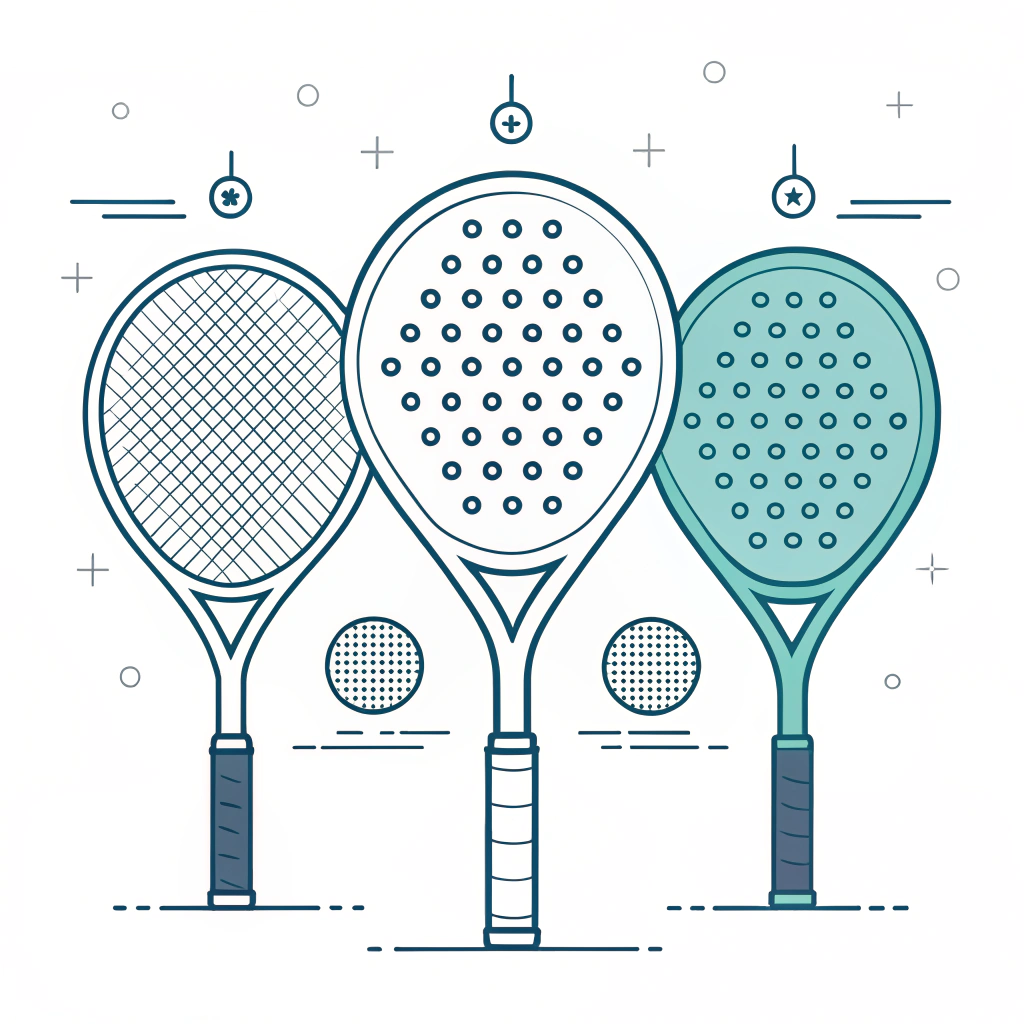
Choosing a padel racket goes beyond simply selecting a model. A successful choice balances multiple technical aspects:
• Shape – Determines control and power distribution.
• Weight – Influences speed and maneuverability.
• Balance – Affects the swing feel and reduces fatigue.
• Materials – From fiberglass to various grades of Carbon Fiber1 (3K, 12K, 18K); these determine racket durability and performance characteristics.
• Customization – Options like custom prints, color, logo on hand grip, and handle caps offer branding and unique performance features.
At NEX Padel, the focus is on using advanced materials and manufacturing processes to create high-performance rackets. Our products are designed with the following technical criteria in mind:
• Fiberglass vs. Carbon Fiber:
- Fiberglass rackets are ideal for beginners due to their forgiving nature and ease of use.
- Carbon Fiber variants (3K, 12K, 18K) offer enhanced stiffness and performance. The higher the carbon count, the more responsive and refined the play, suiting the needs of intermediate to advanced players.
• Production Techniques:
- Our processes emphasize precision, ensuring consistent quality.
- Rapid Prototyping2 and timely delivery help clubs and retailers keep up with market demands.
• Customization Options:
- Custom shapes, prints, and logos make each product unique.
- Options to customize hand grips and handle caps boost brand identity and cater to specific ergonomic needs.
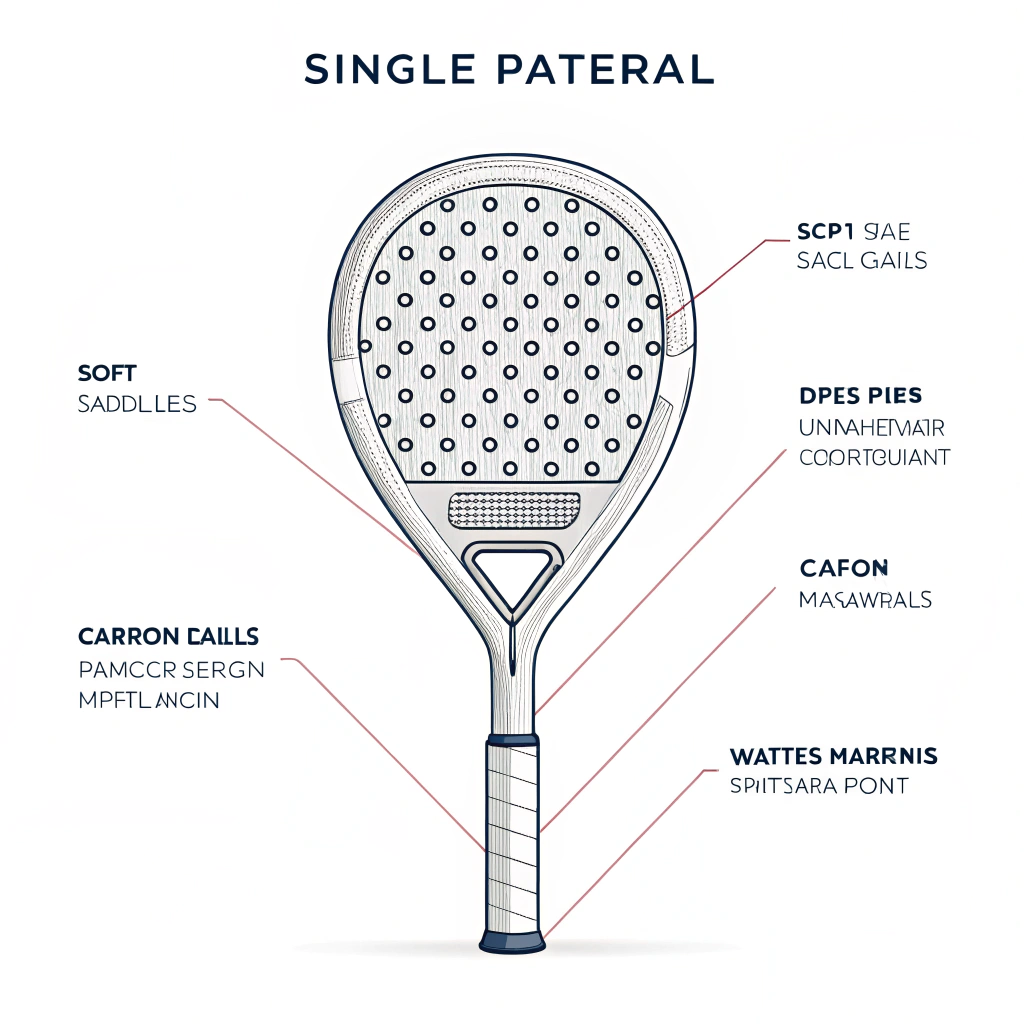
When looking at the variety of racket shapes on the market, it is essential to align the product’s features with the skill level and playing style of the end user. Let’s explore how the three primary shapes meet different needs:
- Target Players: Advanced and power players who rely on strong offensive moves.
- Characteristics:
• Head-Heavy: Offers more power during stroke play.
• Material Composition: Often uses high-grade carbon fiber.
• Usage: Best suited for experienced players who can control high-impact strokes. - Pros: Enhanced hitting power, precision, and durability.
- Cons: May require strong wrist and arm strength, not as forgiving for beginners.
- Target Players: Beginners to intermediate players seeking optimal balance and control.
- Characteristics:
• Balanced: Distributes weight evenly, making it easy to manage during extended play.
• Material Composition: Available in both fiberglass and mid-range carbon fiber options.
• Usage: Suitable for players who focus on technique and finesse. - Pros: Higher control, better comfort for prolonged play, and versatility.
- Cons: May offer less explosive force compared to diamond-shaped models.
- Target Players: Intermediate to advanced players looking for a blend of control and offensive play.
- Characteristics:
• Hybrid Balance: Features a mix of the control of round rackets and the power of diamond rackets.
• Material Composition: Used with varying grades of carbon fiber to maximize both control and power.
• Usage: Ideal when seeking a versatile racket that adapts to several playing styles. - Pros: Versatility across different gameplay situations.
- Cons: Can be less specialized compared to rackets specifically designed for either control or power.
Below is a detailed table comparing the core specifications of the three primary padel racket shapes provided by NEX Padel:
| Feature | Diamond Racket | Round Racket | Teardrop Racket |
|---|---|---|---|
| Target Skill Level | Advanced and elite players | Beginners to intermediate players | Intermediate and advanced players |
| Weight Distribution | Head-heavy for powerful strokes | Even distribution for optimal control | Hybrid balance for both power and control |
| Material Options | Premium carbon fiber (3K, 12K, 18K) | Fiberglass and mid-grade carbon fiber | Varies from fiberglass to higher-grade carbon fiber |
| Customization | Custom prints, colors, logo on grip and handle cap | Custom prints, logo options available | Flexible customization to match playing style |
| Performance | High power output, precise shot-making | Excellent maneuverability and control | Balanced performance adaptable across styles |
For a B2B buyer or club manager, the following step-by-step guide will help streamline the decision process:
-
Evaluate Player Level:
- Begin by categorizing players into beginner, intermediate, or advanced. Use internal assessments or standard level systems.
- Consider the balance between control and power required for each category.
-
Consider the Material Specifications:
- For beginners, focus on rackets with fiberglass construction for a forgiving experience.
- For higher-level players, select rackets built with advanced carbon fiber composites since they offer greater performance benefits and durability.
-
Review Customization Options:
- Check for the availability of custom prints, colors, and logo placements to align with your club’s branding.
- Custom hand grips and handle covers not only add uniqueness but also improve the ergonomic fit.
-
Examine Weight and Balance:
- Understand that the weight distribution (head-heavy vs. even-balanced) will affect performance. Ensure this aligns with the targeted play style.
- Ask for sample rackets from your supplier to test these characteristics in real operational conditions.
-
Compare Technical Specifications:
- Create a side-by-side comparison using a detailed technical specification table reflecting the differences in construction, materials, and customization options.
- Use manufacturer data sheets and product demos as references.
-
Pilot Testing and Feedback:
- Initiate a pilot test phase with a small group of players representing different skill levels.
- Collect and analyze performance data and user feedback to support a final purchasing decision.
For sports equipment sourcing, especially when working with multiple skill levels or catering to a global market, consider the following:
• Lead Time3 and Supply Chain Logistics4:
- B2B buyers must consider production speed and shipment timelines. NEX Padel provides rapid sampling and prompt deliveries, which is essential for time-sensitive orders.
- Ensure that manufacturing processes are up to industry standards.
- Request certifications or quality control documents that verify material specifications.
• Long-Term Partnership Benefits:
- The ability to customize products not only differentiates your offering but also signifies a reliable partnership. Consistent quality and the ability to innovate with custom designs create a competitive edge.
• Price Competitiveness:
- Balancing cost with quality is key. While advanced materials like high-grade carbon fiber may have higher upfront costs, the performance benefits and durability lower the total cost of ownership over time.
- Bulk ordering and long-term contracts might also provide pricing incentives.
Choosing the right padel racket requires a clear understanding of player needs and technical specifications. By considering the shape, material, balance, and customization options, B2B buyers can align their procurement strategy with the expected performance outcomes.
To summarize, here are the key takeaways:
• Assess player skill levels to match racket design appropriately.
• Compare technical specifications through detailed tables and pilot testing results.
• Leverage customization and quality control options provided by expert manufacturers like NEX Padel.
• Consider total cost benefits in terms of durability and performance over the product lifecycle.
Taking these steps will help you make an informed, data-driven decision that benefits your clientele and enhances your club or retail offerings. For any B2B partner or club manager looking to upgrade their equipment line, reaching out to suppliers who emphasize advanced manufacturing and customization is a crucial step forward.
• How do I choose the right padel racket for me?
Answer: Choosing the right padel racket involves evaluating the racket’s shape, weight, balance, and materials. Pay attention to how these factors match your playstyle, whether you need a racket for power, control, or a mix of both, ensuring a fit that enhances performance.
• How do I determine my padel level?
Answer: Your padel level can be determined by comparing your technical and tactical skills with standardized level systems. Evaluate factors such as playing consistency, skill proficiency, and match performance to categorize your level as beginner, intermediate, or advanced.
• What shape padel rackets are for me?
Answer: The shape of a padel racket significantly impacts its performance. Beginners generally prefer round rackets for their ease of handling and control, while advanced players might opt for diamond or teardrop shapes that offer enhanced power or a balanced performance combining both control and power.
-
Carbon Fiber: Reading the linked article will provide insights into the properties of carbon fiber, its manufacturing process, and how its different grades affect the performance and durability of sports equipment. ↩ ↩
-
Rapid Prototyping: Click to explore how rapid prototyping speeds up product development, reduces risks, and enhances the precision of manufacturing processes in the sporting goods industry. ↩ ↩
-
Lead Time: Learn more about lead time management, its impact on production and delivery schedules, and strategies to optimize it for better business efficiency. ↩ ↩
-
Supply Chain Logistics: This article will help you understand the complexities of supply chain logistics, including inventory management, transportation, and distribution, critical for effective B2B operations. ↩ ↩
-
Quality Assurance: Discover the fundamentals of quality assurance in manufacturing, including certification processes, quality control measures, and best practices to ensure consistent product performance. ↩ ↩