Skip to content

Quick Answer: Choosing the right padel racket involves matching racket design—such as shape, balance, weight, materials, and grip options—with the player’s skill level and playing style. By understanding the technical nuances and customization capabilities1 provided by advanced manufacturing processes2, procurement managers3 can confidently select rackets that offer optimized performance, durability, and customer satisfaction.
In today’s competitive sports equipment market, padel rackets have evolved into highly technical products. For procurement managers and product specialists, the challenge is not only understanding the various features but also appreciating how design elements such as racket shape, material type (ranging from fiberglass to advanced carbon fiber4 options like 3k, 12k, and 18k), and customization choices (including hand grip and handle logo) directly impact player performance. Misaligned product selections can lead to mismatches between retailer offerings and consumer expectations.
The question then becomes: How do we translate these nuanced features into actionable insights for buyers?
By analyzing the technical details and comparing different product metrics, we can guide you through a process to select a padel racket that meets both end-user performance and retailer inventory requirements.
The primary factors that influence a padel racket’s performance are its shape, balance, weight, material composition, and customization options. Let’s break these down into digestible points:
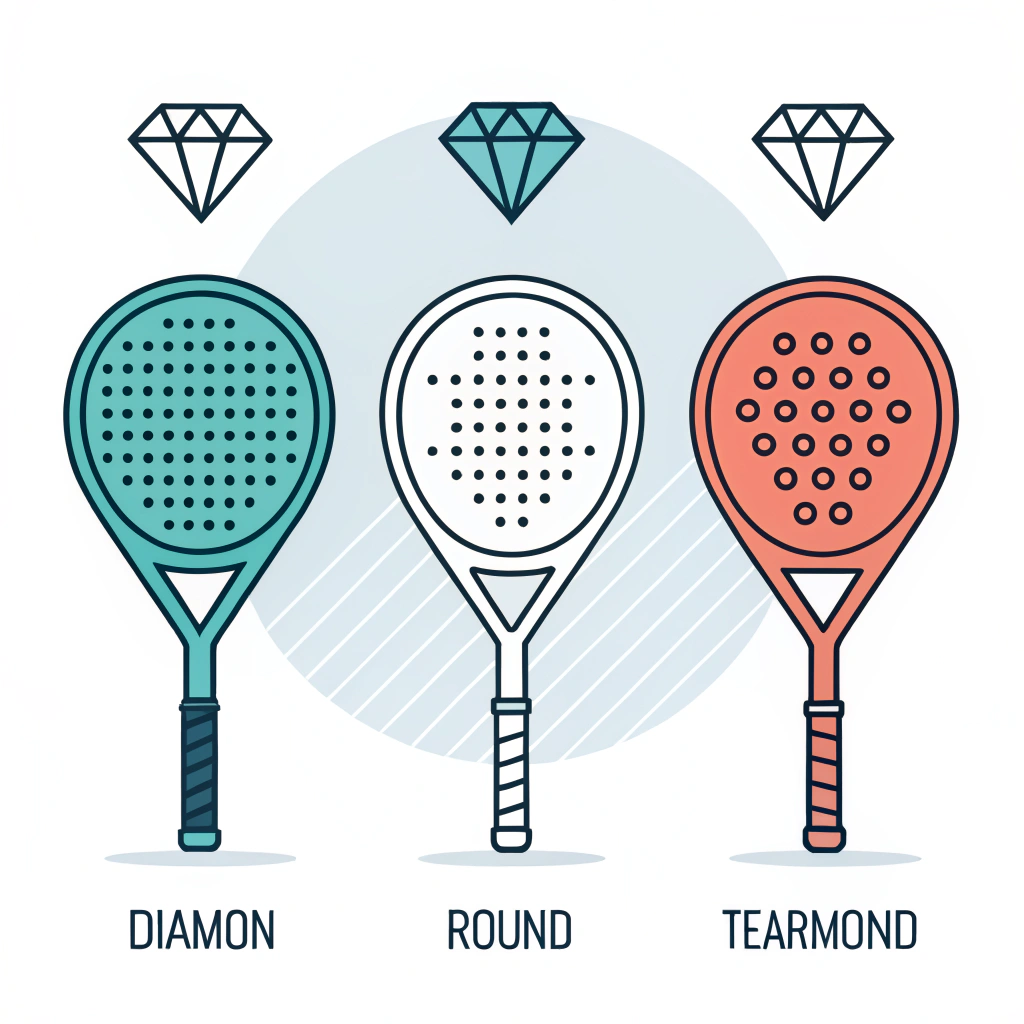
Padel rackets come in three primary shapes:
- Diamond: Known for offering a significant power zone, the diamond shape is ideal for advanced players who generate speed and impact. However, it requires precise technique.
- Round: This shape is favored by beginners and intermediate players due to its larger sweet spot that enhances control and precision. Many experienced players also prefer round rackets for closely managing ball placement.
- Teardrop: Positioned as a balance between power and control, the teardrop shape is versatile enough to suit players transitioning from a beginner to a more advanced level.
These shapes do not only determine the playing dynamics but also influence manufacturing processes that address stability and durability.
The balance of a padel racket is crucial. As we see in comparative studies, a racket’s balance affects maneuverability and comfort during extended gameplay. A head-heavy racket, often found in power-oriented designs, can provide extra momentum during strokes, whereas a head-light racket contributes to quicker response times and better defensive play. Understanding these distinctions is key for matching product specifications to target customer needs.
The materials used in rackets, from basic fiberglass to premium carbon fiber variants (such as 3k, 12k, and 18k), play a decisive role in both durability and performance. Our manufacturing partner, NEX Padel, leverages advanced production techniques ensuring that every racket reflects high precision and durability standards. Here are the advantages of different materials:
- Fiberglass: Offers a balance between cost and performance, suitable for entry-level rackets.
- 3k Carbon Fiber: Ideal for players seeking a lightweight option with enhanced strength.
- 12k Carbon Fiber: Provides greater stiffness and improved power transmission.
- 18k Carbon Fiber: Delivers top-tier performance with maximum precision and durability.
Manufacturing consistency is paramount, and our controlled process ensures each batch exhibits the desired performance metrics. This is particularly important when customizing rackets according to unique brand requirements.
Modern retailers require products that can stand out in a crowded marketplace. Customization options are not just aesthetic—they are essential for establishing brand identity and meeting the varied expectations of player demographics.
- Shape Design: Offering fully customizable shapes, including variations of Diamond, Round, and Teardrop.
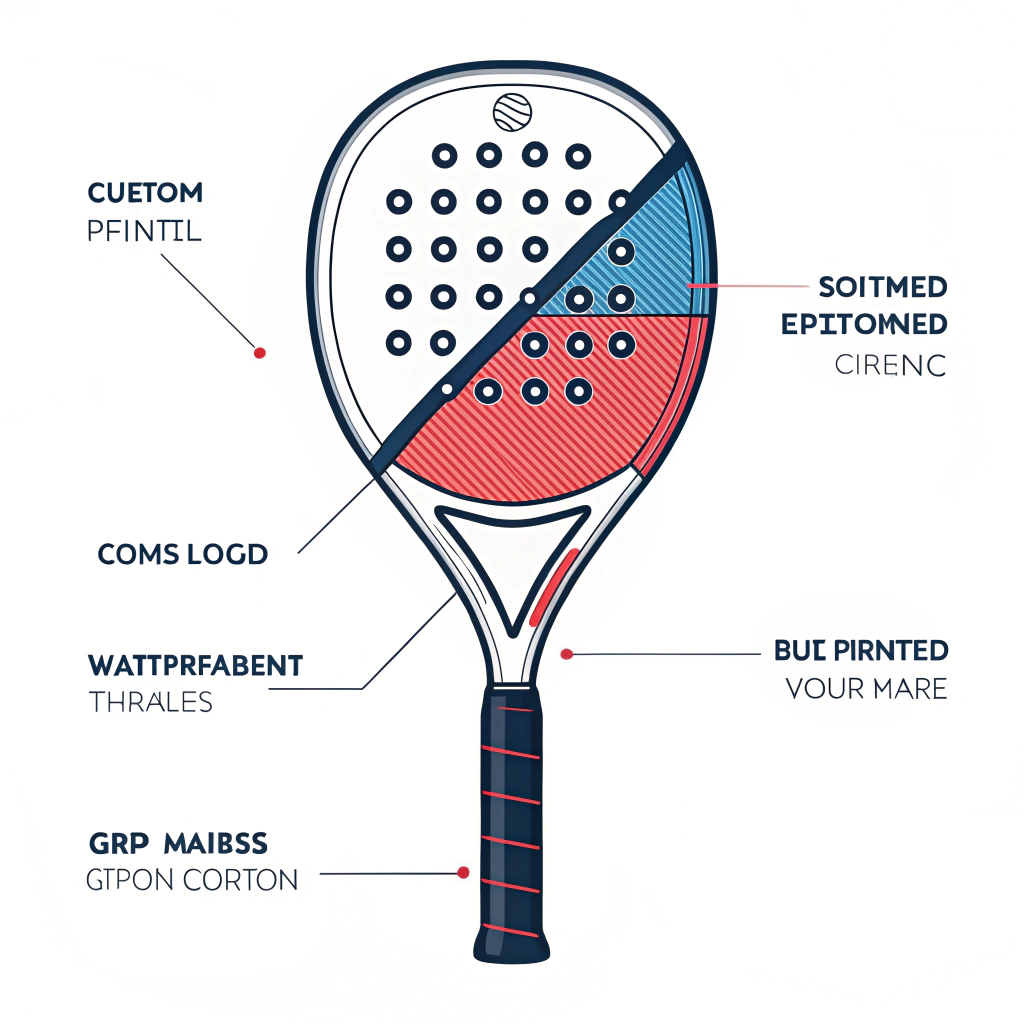
- Printed Logos & Colors: You can personalize racket surfaces, grips, and handle covers with client logos and distinct colors.
- Hand Grip Customization: Tailored grips ensure a secure hold and comfort, adding value to the play experience.
These options not only boost consumer appeal but also allow targeted branding strategies for retailers. For example, a sports store seeking to cater to amateur players might opt for predominantly round-shaped rackets with reinforced control features, while a performance-oriented line might focus on diamond shapes with advanced carbon fiber.
Below is a table summarizing the critical attributes of different padel racket shapes and material options to aid decision-making:
| Feature | Round Racket | Teardrop Racket | Diamond Racket |
|---|---|---|---|
| Playing Level | Beginner to Intermediate | Intermediate to Advanced | Advanced |
| Shape Sweet Spot | Larger, forgiving | Balanced sweet spot | Concentrated on top area |
| Weight Distribution | Generally head-light for control | Evenly balanced to favor versatility | Typically head-heavy for power |
| Material Options | Fiberglass, 3k Carbon Fiber | 3k, 12k Carbon Fiber | 12k, 18k Carbon Fiber |
| Customization | High (color, grip, logo) | Moderate to High | High (incl. custom shapes) |
| Performance Impact | Enhanced control, precision | Balance of power and control | Maximum power, precision-dependent |
This table provides a clear, at-a-glance comparison that helps in mapping detailed technical specifications to end-user needs. Such data-driven analysis is crucial for procurement managers tasked with curating an optimal inventory mix.
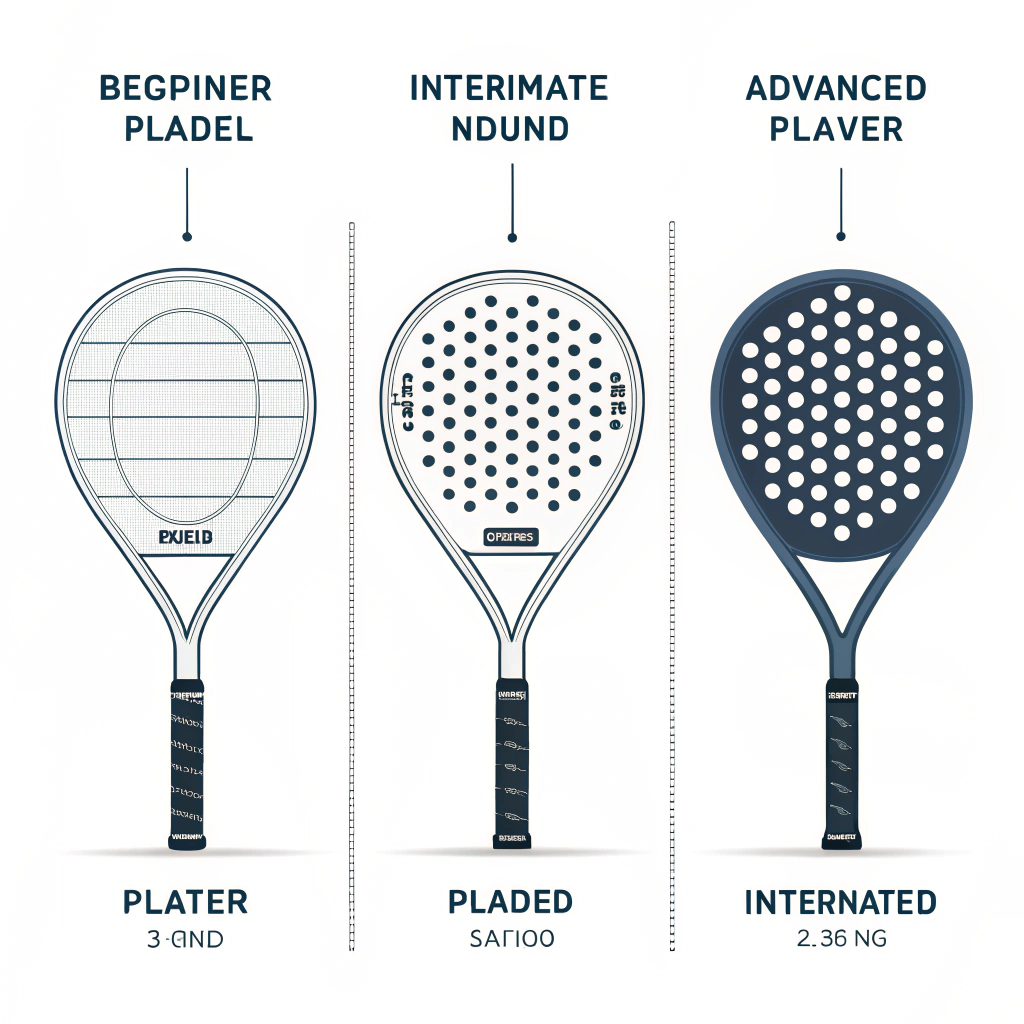
The performance of a padel racket is directly related to the specific needs of the players. Below are considerations tailored for different skill sets:
- Round Rackets are generally recommended due to their user-friendly nature.
- Lighter Weight: Ensures easier handling enabling long practice sessions with reduced fatigue.
- Larger Sweet Spot: Increases the margin of error and helps in building confidence.
- Customization Options: Retailers can consider offering branded beginner sets with customized grip designs.
- Teardrop Rackets offer a balance between control and power.
- Balanced Weight Distribution: Provides opportunities to refine technique.
- Material Upgrade: Transitioning to 3k or 12k carbon fiber options can enhance performance.
- Peripheral Features: Adding ergonomic hand grips and adjustable handle lengths could result in measurable performance improvements.
- Diamond Rackets provide the precision and high-impact performance ideal for competitive play.
- Advanced Materials: The use of 12k and 18k carbon fiber ensures superior strength and stability.
- Optimized Customization: Options such as custom shapes and personalized logo placement on grips and handle covers are valued by professional athletes.
- Performance Testing: Continuous feedback on manufacturing precision and performance holds significant importance.
Retailers play a pivotal role in ensuring customers find the perfect padel racket. Here are some action items to support this alignment:
- Educate Sales Staff: Provide training on key technical attributes such as racket shape, material grade, and balancing. This empowers sales teams to advise customers based on skill level and playing style.
- Offer In-Store Demos and Trials: Allow prospective buyers to handle different racket models. Physical experience is crucial for understanding the impact of features like weight distribution and grip design.
- Provide Detailed Product Sheets: Equip stores with comprehensive data sheets, comparison tables, and customization options. This transparency aids decision-making processes.
- Collaborate with Manufacturers: Work closely with suppliers like NEX Padel that can deliver tailor-made products along with rapid prototyping and efficient delivery. Emphasizing manufacturing excellence reinforces customer trust.
- Analyze Market Trends: Understand local demographics to optimize the mix of round, teardrop, and diamond rackets in inventory. Periodically review these metrics to adjust offerings as player preferences evolve.
NEX Padel has established itself as a leader in high-performance padel racket manufacturing. By focusing on advanced production techniques and meticulous quality control, our factory processes ensure that every paddle precisely aligns with its intended design parameters. This factory-based experience is evident in our ability to quickly produce and deliver customized products that retain superior performance attributes even after extensive use.
Our collaboration with international brands such as Hirostar, Reebok, and Starvie further demonstrates our commitment to meeting diverse global standards. The technical insights derived from our production line are integrated into product development, ensuring that manufacturers and subsequently retailers receive a consistent performance guarantee.
This commitment to excellence allows procurement managers to confidently stock products, knowing that they are backed by rigorous quality control and technical innovation. In turn, this supports effective inventory management and customer satisfaction, bolstering the overall market reputation of the retailer.
In conclusion, selecting the right padel racket is a multifaceted decision that involves aligning design features with player skill levels and playing styles. Retailers should consider the following actionable steps:
- Evaluate the shape of the rackets and align them with player proficiency: round for beginners, teardrop for intermediates, and diamond for advanced users.
- Consider the balance and weight distribution that affects gameplay, ensuring that the selected racket supports ease of control or enhanced power.
- Leverage advanced manufacturing techniques to choose materials like 3k, 12k, or 18k carbon fiber, which offer different performance benefits.
- Capitalize on customization options such as personalized prints, grip modifications, and handle designs to fulfill branding and functional requirements.
- Use data-driven tools such as comparison tables and product sheets to confidently match product features with player needs.
By following these guidelines, retailers and procurement managers can make informed decisions to align their inventory with market needs and deliver products that truly resonate with padel players. A deep understanding of technical specifications and customization potential, supported by trusted manufacturing processes, ensures that each product stands up to rigorous performance standards and customer expectations.
Retailers who integrate these insights will be well-equipped to navigate product selection complexities and offer an unmatched sporting experience to their clientele.
Q: How do I know what padel racket is best for me?
A: The best padel racket for you depends on multiple factors including shape, weight, balance, materials, and handle size. Beginners may prefer round rackets with a larger sweet spot, whereas advanced players might opt for diamond rackets that offer powerful impacts with precise control. Consider also the material type and surface texture to enhance spin and control during play.
Q: What shape padel rackets are for me?
A: Round padel rackets are generally recommended for beginners due to their forgiving nature and larger sweet spot, while intermediate players looking for a balance between power and control might choose teardrop shapes. Advanced players often prefer diamond-shaped rackets for their powerful performance characteristics.
Q: What is the best padel racket to get?
A: There is no single "best" padel racket since the ideal choice depends on your playing style and level. For powerful play, options designed for advanced users—often featuring premium carbon fiber materials and a diamond shape—are optimal. However, assessing factors like weight distribution, balance, and customization options is key to making the best decision for your needs.
-
Customization capabilities: Click to learn how product personalization strategies can enhance brand differentiation and customer engagement in sports equipment. ↩
-
Advanced manufacturing processes: Click to explore insights on cutting-edge production methods that improve product quality and efficiency. ↩
-
Procurement managers: Click to understand the role of procurement in optimizing inventory and ensuring competitive product selections. ↩
-
Carbon fiber: Click to discover the properties of carbon fiber materials and how different grades impact performance in sports equipment. ↩