Skip to content

Selecting the ideal high-performance padel racket comes down to a thorough comparison of design shapes, materials, and production techniquesproduction techniques1. In this article, we compare the core elements of padel rackets to help procurement managers, product development leads, and sports equipment buyers make an informed purchasing decision.
In today’s competitive sporting goods market, brands must deliver rackets that balance power, control, and aesthetic appeal. Buyers face the challenge of navigating through multiple design options—including Diamond, Round, and Teardrop shapes—and choosing the right materials such as fiberglass and various grades of carbon fiber2 (3K, 12K, 18K). This decision is crucial as each combination of design and material directly impacts performance, durability, and the overall market positioning of the end product.
At NEX Padel, our mission is to offer advanced production techniques that produce rackets tailored to specific customer needs. We recognize that technical specifications are paramount, and every detail, from center of gravity to weight distribution, can determine a racket’s suitability for a high-performance environment.
Choosing the right padel racket design begins with understanding the distinct characteristics of each shape:
-
Diamond Shape: This design typically features an off-center weight distribution, enhancing power and increasing the speed of ball impact. It is most suitable for aggressive players looking to maximize offensive shots. However, the trade-off is that control can be a challenge for less experienced players.
-
Round Shape: Known for its balanced construction, the round shape offers improved control and maneuverability. Its central balance makes it easier to handle, benefitting players who prioritize precision and consistency over raw power.
-
Teardrop Design: Combining elements of both Diamond and Round shapes, the teardrop design offers a versatile performance mix. It provides a balance between power and control, making it an excellent choice for mid-level to advanced players who require flexibility in their game strategy.
Below is a detailed table that highlights the main differences among these shapes:
| Racket Shape | Weight Distribution | Ideal for | Key Advantages | Considerations |
|---|---|---|---|---|
| Diamond | Off-center | Aggressive play | Maximizes power | Reduced control for beginners |
| Round | Centered | Defensive play | Superior maneuverability | Less explosive power |
| Teardrop | Hybrid | Versatile play | Balance of power/control | May not excel in one specific area |
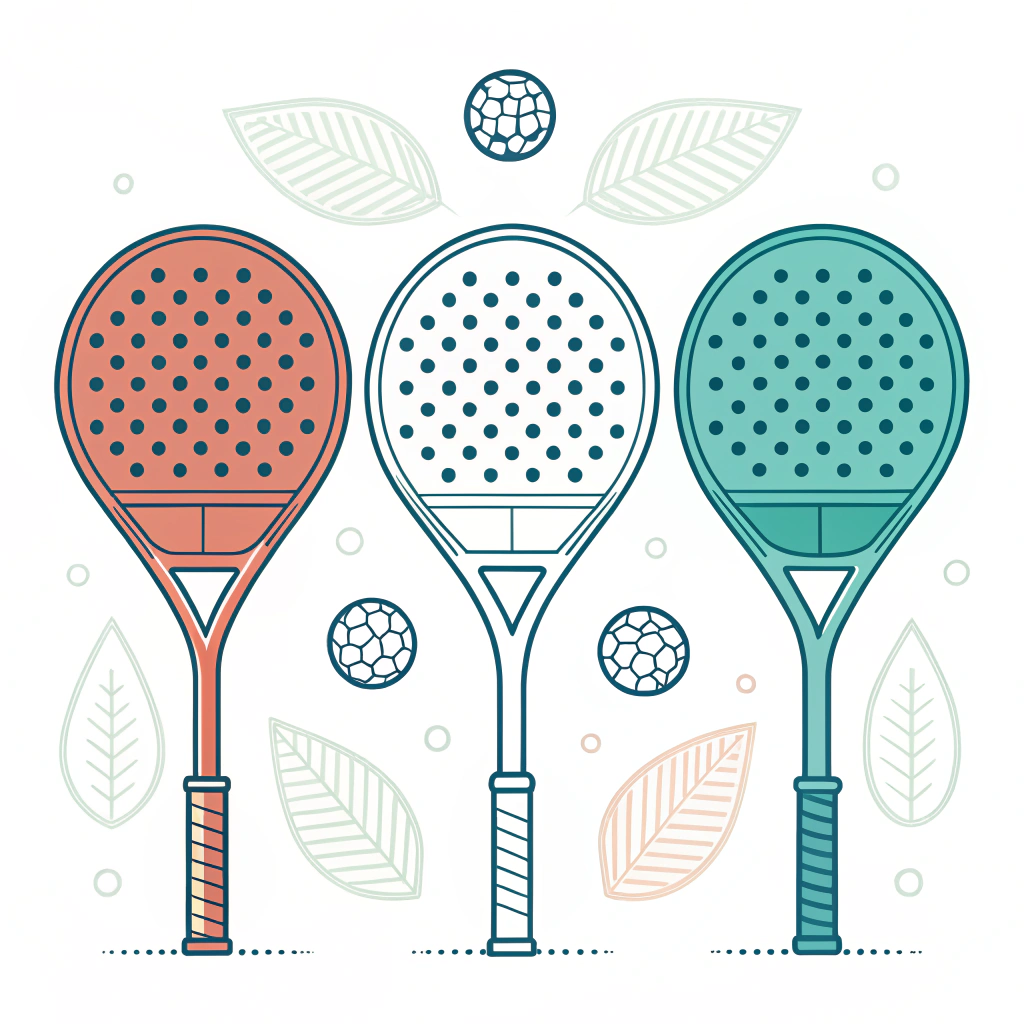
When evaluating these shapes, consider the target market’s play style and performance needs. Decision makers must weigh the trade-offs between offensive advantages and overall control, aligning the product choice with customer expectations in different regions.
Another key aspect in padel racket selection is the material used. The choice of fiberglass or different grades of carbon fiber (3K, 12K, 18K) not only affects the racket’s weight but also its flexibility, durability, and vibration dampening.
-
Fiberglass: Provides a cost-effective option with a reasonable balance of flexibility and strength. It is ideal for entry-level rackets that still require competitive performance.
-
3K Carbon Fiber: Offers a lightweight design with improved stiffness and durability over fiberglass. This makes it a popular choice for mid-range products.
-
12K and 18K Carbon Fiber: These materials deliver a higher performance level due to their enhanced rigidity, lightness, and superior energy transfer. While more expensive, they cater to professional players and premium brands seeking top performance and longevity.
The following comparison table outlines some of the key performance aspects of these materials:
| Material | Weight Impact | Strength & Durability | Vibration Damping | Ideal User |
|---|---|---|---|---|
| Fiberglass | Heavier relative to carbon | Sufficient for beginners | Average | Entry/Intermediate |
| 3K Carbon Fiber | Lighter than fiberglass | Good rigidity | Enhanced | Intermediate |
| 12K/18K Carbon Fiber | Ultra-light for premium models | Maximum strength and precision | Excellent | Professionals/Premium |
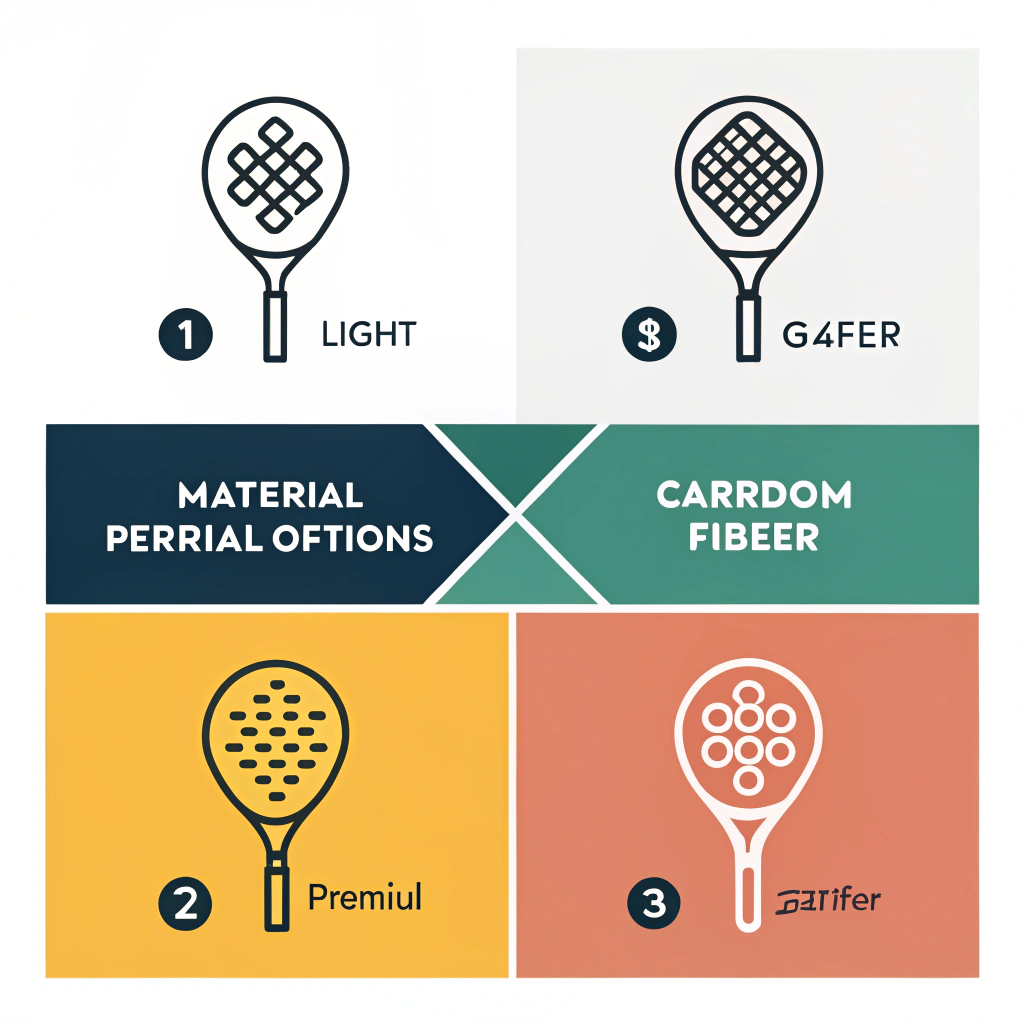
For procurement managers, understanding these differences is critical. The selection depends largely on the target segment of the end-user. For example, a custom order for a high-end sports brand might favor 18K carbon fiber combined with the diamond shape for its power output, while a mainstream brand might lean toward the round shape paired with fiberglass for better control and cost effectiveness.
In the B2B marketplace, customization is not a luxury but a requirement. Companies like NEX Padel not only supply excellent raw construction but also support extensive product customization. This offers a competitive edge in today’s market, where brand identity plays a significant role in consumer choice.
Custom options include:
-
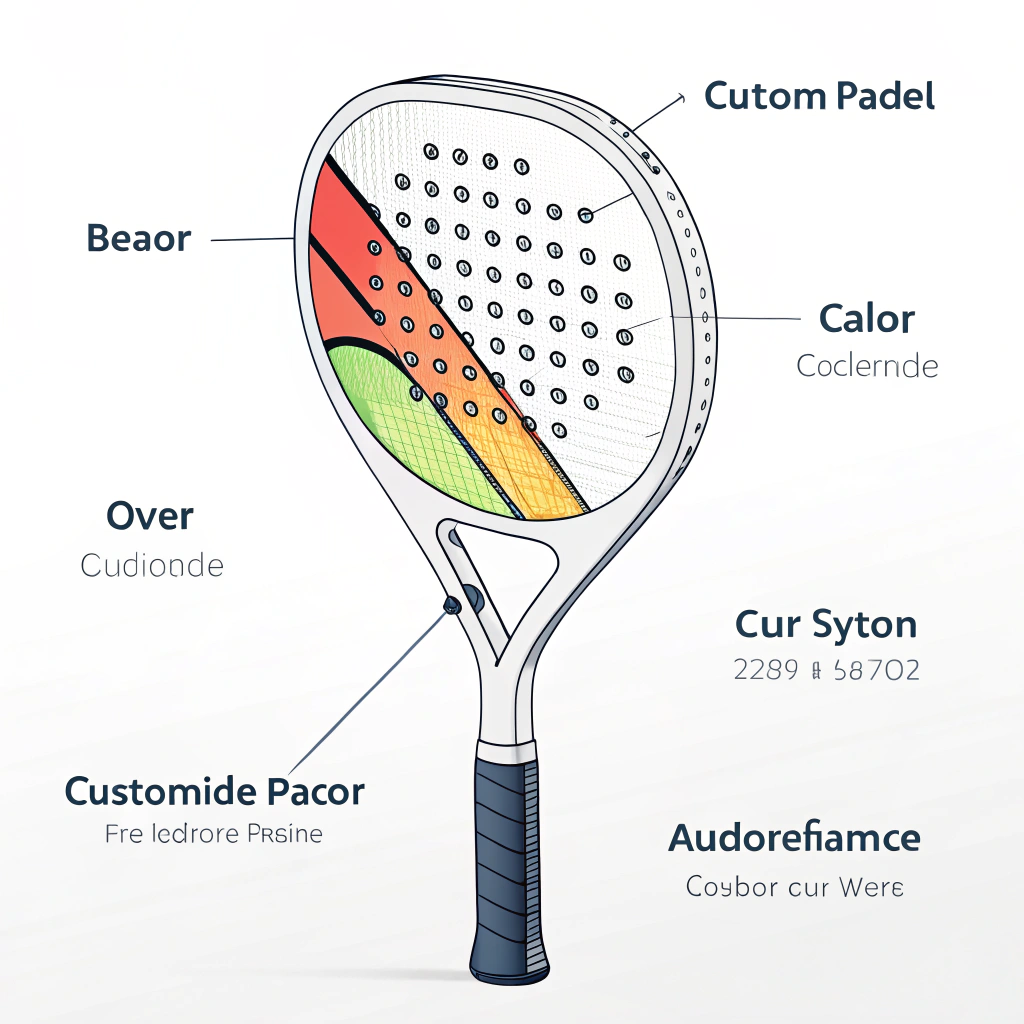
Custom Printing & Colors: Buyers can specify colors and printing details that align with their brand aesthetics. This feature is especially important for companies seeking a unique look that differentiates their products on the shelf.
-
Personalized Shapes: Beyond the standard Diamond, Round, and Teardrop designs, we offer custom shape adjustments to meet specific performance and design requirements.
-
Custom Hand Grip and Handle Cover: These parts can also be tailored to include logos or specialized textures, which further reinforces brand identity and can enhance grip performance through specially engineered materials.
This high degree of customization means that production timelines and design iterations must be managed meticulously. NEX Padel has refined its production techniques, ensuring that even fully customized orders are handled efficiently and delivered on time—a crucial factor for many B2B purchasers dealing with fixed seasonal launch schedules.
At NEX Padel, our advanced production techniques play a pivotal role in achieving consistency and performance excellence. By integrating precision manufacturing with stringent quality control protocols, we ensure every racket meets high-performance standards.
Key elements in our production process include:
-
Rapid Prototyping3 and Sampling: We streamline the development process by creating prototypes quickly. This allows us to test new designs and materials efficiently, optimizing performance before full-scale production.
-
Quality ControlQuality Control4 at Various Stages: From material selection to final assembly, each stage undergoes rigorous testing. This process checks for structural integrity, weight distribution, and overall durability to ensure consistency across batches.
-
Flexible Production Lines: Our flexible production capabilities allow us to switch between different custom orders quickly. This is essential for B2B clients who may require short-run custom series or rapid changes based on market trends.
-
Collaborative Development: We often work closely with internationally recognized brands such as Hirostar, Reebok, and Starvie, incorporating their insights into design improvements. This collaboration ensures that our production abilities also align with broader industry trends and specific market feedback.
Merchants and procurement managers can find assurance in these protocols, as they are backed by decades of experience in advanced manufacturing techniques. Investing in a supplier with robust quality control measures mitigates risks associated with product inconsistency and production delays.
When deciding on the right padel racket, buyers must balance multiple factors:
-
Performance Needs: Determine whether the target market favors power, control, or a balanced approach. For example, a product line aimed at professional players might lean towards the high-performance combination of a Diamond design with 18K carbon fiber.
-
Customization Requirements: Identify the level of customization required. Custom printing and personalized design options can create a unique product offering but may also increase production costs and lead times.
-
Material Cost vs. Benefit: While premium materials like 18K carbon provide superior performance, they come at a higher cost. Buyers need to evaluate whether the performance gains justify the extra expense based on their target market’s willingness to pay.
-
Market Trends and User Feedback: Incorporate insights from user feedback and market data. Procurement managers should analyze trends in padel technology and athlete preferences to determine which racket design and material composition resonate best with consumers.
Below is a simplified decision-making flowchart to help visualize the selection process:
| Decision Factor | Consideration | Recommended Option |
|---|---|---|
| Target Audience | Professional vs. Casual | Pro: Diamond with high-grade carbon; Casual: Round with fiberglass/3K carbon |
| Desired Performance | Power vs. Control | Power: Diamond; Control: Round; Balanced: Teardrop |
| Budget Constraints | Cost vs. Value | Lower Cost: Fiberglass or 3K carbon; Higher Value: 12K/18K carbon |
| Customization Level | Branding & Aesthetics | High Customization: Tailor printing, hand grip, and shape |
| Production Flexibility | Quick turnaround vs. specialized orders | NEX Padel delivers fast prototyping and reliable quality control |
This clear framework allows decision makers to sift through the available options and make strategy-based selections that align with their brand’s market positioning.
To summarize, the process of selecting an ideal padel racket for a high-performance market is multi-faceted. Considerations include:
- A deep understanding of the differences in racket shapes (Diamond for power, Round for control, Teardrop for balance).
- Insight into material choices such as fiberglass versus various grades of carbon fiber, each with distinct benefits.
- The importance of customization, not only for performance but also for aligning the product with a company’s brand image.
- The reliability and technological prowess of advanced production techniques, ensuring consistent quality and adherence to timelines.
For procurement managers and product developers, the next step should be a detailed review of your brand’s performance requirements and market positioning. Engage with suppliers like NEX Padel who have the technical expertise and flexible production systems to deliver custom high-performance padel rackets. Ask for samples, compare performance data across different designs, and leverage customization options to create a unique product line—matching both consumer expectations and brand values.
By incorporating these key elements into your decision-making process, you can confidently choose a solution that not only meets technical standards but also provides a competitive advantage in the evolving sports equipment market.
Q1: What materials are best for high-performance padel rackets?
A1: The best materials for high-performance padel rackets typically include high-grade carbon fibers such as 12K and 18K carbon, which offer superior stiffness, weight reduction, and durability. Fiberglass and lower-grade carbon like 3K are often used in mid-range models for a balance of cost and performance.
Q2: How does the shape of a padel racket affect performance?
A2: The racket’s shape directly influences its weight distribution and balance. For instance, Diamond shapes offer power through an off-center weight distribution, while Round shapes provide enhanced control with a centered balance. Teardrop designs combine these benefits, offering a versatile performance that suits various playing styles.
Q3: What customization options are available for padel rackets from NEX Padel?
A3: NEX Padel provides extensive customization options including custom printing, personalized color schemes, tailor-made racket shapes, and custom hand grips and handle covers. This ensures that brands can align the racket design with their specific performance and aesthetic requirements.
-
production techniques: Click to learn about the innovative manufacturing processes that optimize production speed and consistency, ensuring high-quality output for competitive markets. ↩ ↩
-
carbon fiber: Click to discover detailed insights into carbon fiber materials, including the differences between grades like 3K, 12K, and 18K, and how they impact performance and product durability. ↩ ↩
-
Rapid Prototyping: Click to understand the benefits of rapid prototyping in product development, highlighting how quick iterations can streamline the design process and reduce time-to-market. ↩ ↩
-
Quality Control: Click to explore stringent quality control protocols that ensure each product meets high-performance standards through rigorous testing and process optimization. ↩ ↩