Skip to content
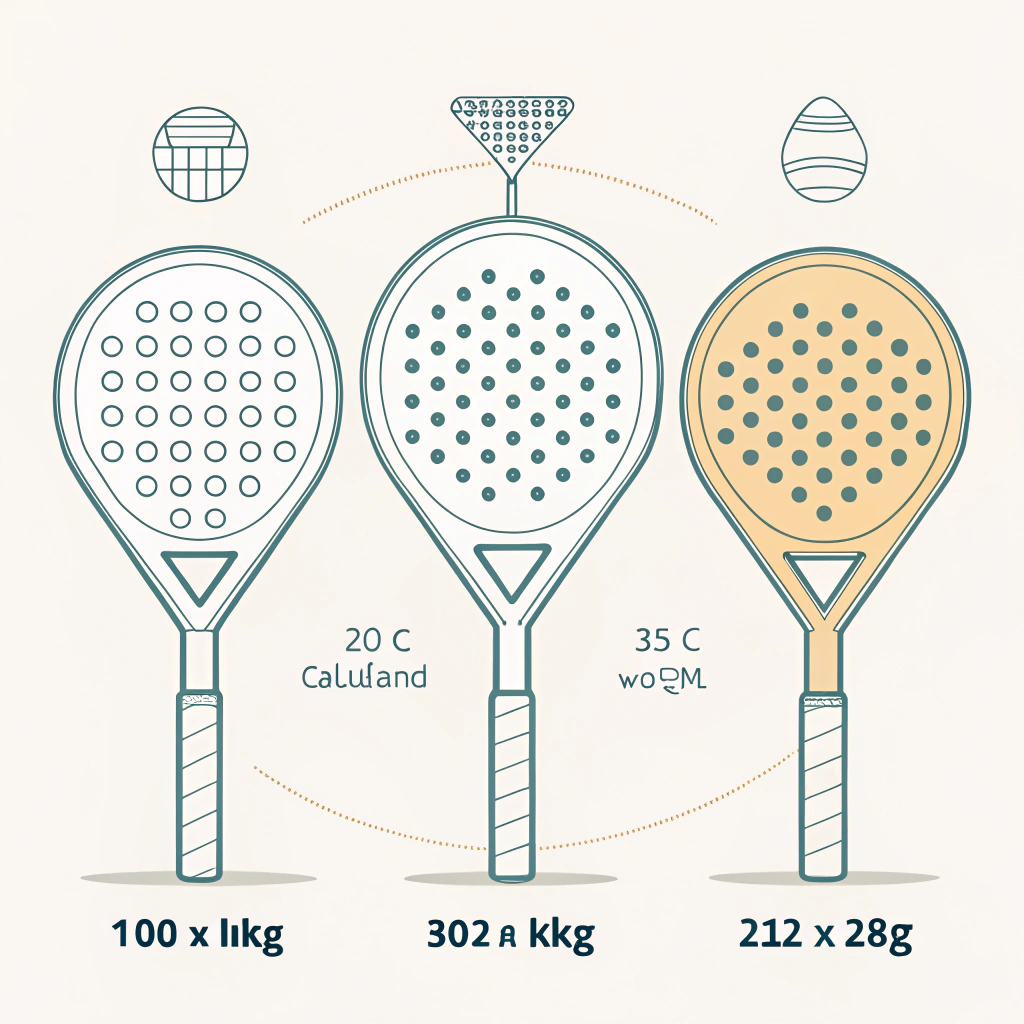
A Padel Racket Weight1 is critical to its performance, affecting control, power, and overall playability. This article explains how different aspects such as material composition, design, balance, and customization impact racket weight and ultimately dictate which option is best for your target market.
In the world of padel, weight selection is more than a number—it is a blend of science and art. The optimal padel racket weight depends on factors including the materials used (like fiberglass and various grades of Carbon Fiber (3k, 12k, 18k)2), the racket's design (Diamond, Round, or Teardrop), and the specific needs of the end-user. For procurement professionals and product managers, understanding these elements is vital for informed decision-making and supplier negotiations.
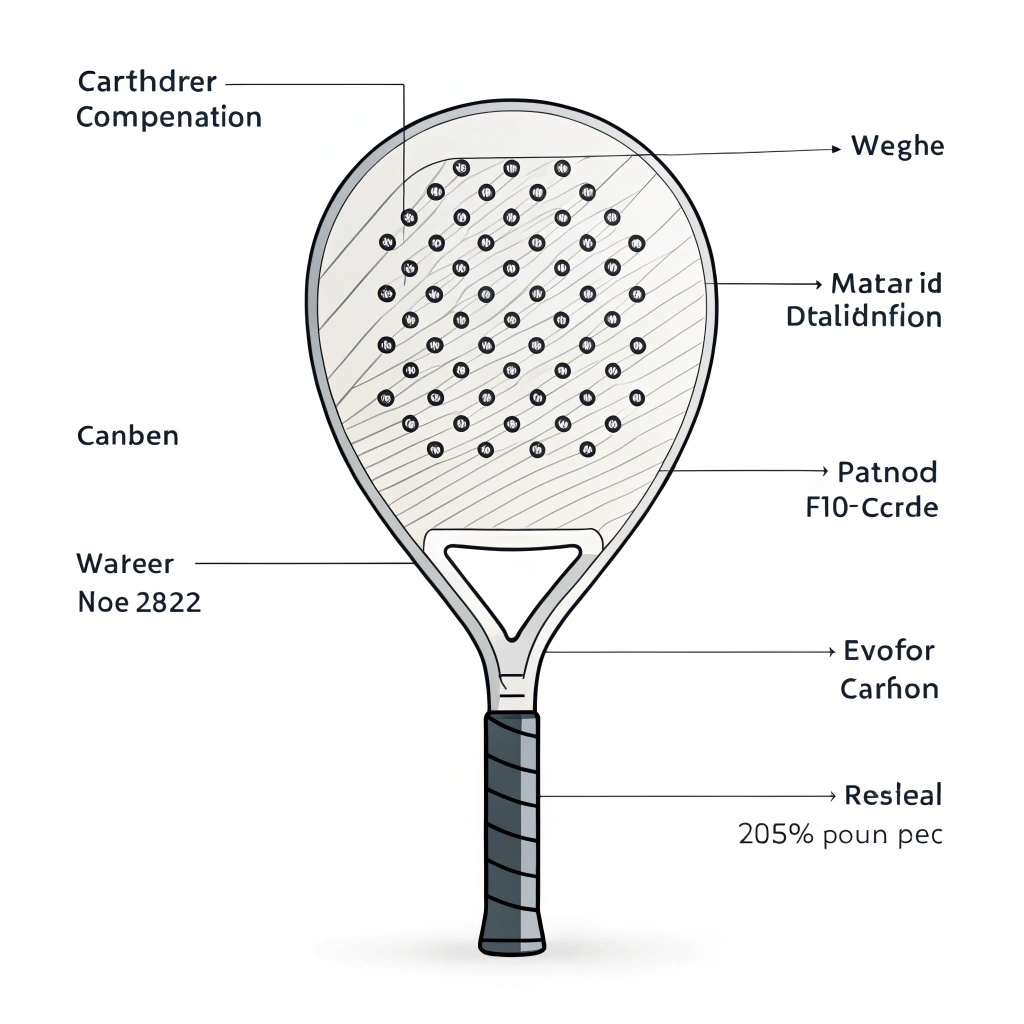
The weight of a padel racket directly influences fundamental aspects of gameplay:
• Control and Maneuverability: A lighter racket typically offers superior maneuverability, making quick movements and rapid responses easier in fast-paced rallies.
• Power and Stability: A heavier racket can generate more power due to increased momentum, although it might compromise quick handling.
• Impact on Fatigue: Over time, using a racket that is too heavy or too light may lead to player fatigue or even potential injuries.
• Customization Options3: Suppliers now offer customization options, from weight adjustments to personalized balance, allowing players and distributors to appeal to a wide range of styles.
Understanding the balance between these attributes helps tailor your product offerings to the style and needs of various players. Advanced Production Techniques4 used by manufacturers like NEX Padel ensure precision in weight distribution and durability, meeting high standards required by industry leaders such as Hirostar, Reebok, and Starvie.
Different materials yield various weight profiles. For example:
• Fiberglass offers a lighter build, usually enabling a racket to maintain agility.
• Carbon Fiber (3k, 12k, 18k) provides higher stiffness and usually a heftier feel, but their properties help enhance power transmission with each hit.
Manufacturing precision is essential. NEX Padel's expertise in using advanced carbon fiber composites ensures that no matter the material, performance and durability are maintained. This technique also supports full customization, including kit design options like weight-specific prototypes.
The design of a racket—whether Diamond, Round, or Teardrop—further contributes to its weight distribution:
• Diamond-shaped rackets tend to concentrate weight at the top, favoring power over control.
• Round-shaped rackets usually ensure a balanced weight distribution, facilitating better control.
• Teardrop designs offer a hybrid of both, striking a balance between power and maneuverability.
Manufacturers allow custom shapes and weights; this means you can recommend or design a product specifically aimed at a niche segment. A detailed understanding, backed by production data, helps meet varying gameplay styles.
Even at the same nominal weight, rackets can perform differently based on balance. Here, balance can be defined as either head-heavy, head-light, or evenly distributed.
• Head-Heavy: Better for power shots but may reduce maneuverability.
• Head-Light: Enhances quick reactions and control at the expense of some power.
• Evenly Balanced: A compromise that suits most playing styles.
Attention to balance is one of the crucial quality controls during the manufacturing process. NEX Padel ensures that each racket, including those with customized logos on hand grips and extra elements like hand grip and handle covers, meets the targeted balance and weight standards.
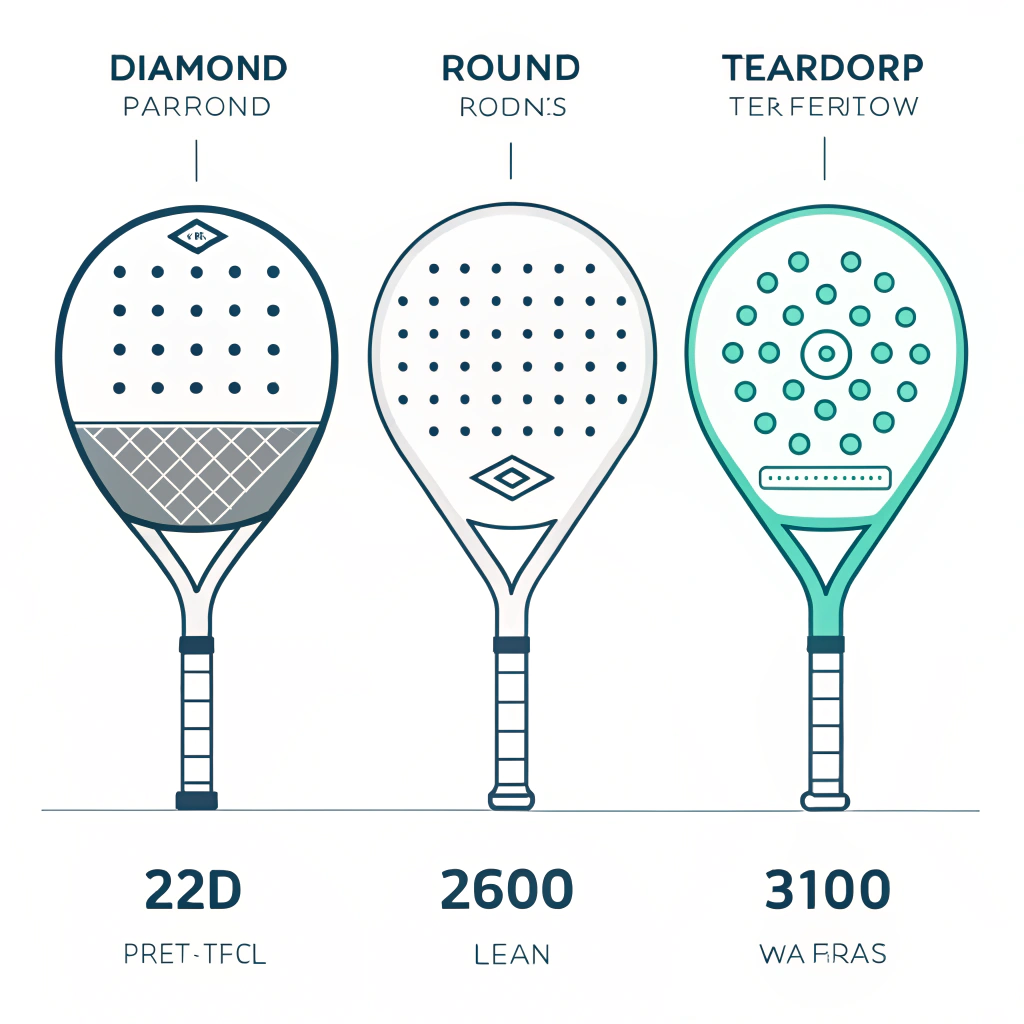
Below is a table comparing the typical attributes of the three primary padel racket designs in relation to weight and performance:
| Racket Design | Typical Weight Range (grams) | Movement and Control | Power Delivery | Ideal For |
|---|---|---|---|---|
| Diamond | 360 - 375 | Slightly less maneuverable | High power shot potential | Aggressive, power-focused players |
| Round | 350 - 365 | Superior control and agility | Moderate power | Defensive and control-oriented players |
| Teardrop | 355 - 370 | Balanced control and maneuverability | Balanced power output | Versatile play style players |
This table is based on industry knowledge and the precision manufacturing techniques employed by leading companies like NEX Padel. It is important to note that while the weight ranges provide general guidance, adjustments can be made through custom production processes tailored for individual market needs.
When selecting the weight of a padel racket from a product manager's perspective, consider the following points:
- Player Profiles: Different players have varying strength and style. A lighter racket might be ideal for a technical, control-focused player, while a heavier option might suit a player seeking power.
- Usage Context: For professional or frequent competitive play, players often favor specific weight-to-balance configurations to reduce fatigue during long matches.
- Testing Flexibility: Providing sample rackets with distinct weight profiles can help end-customers or distributors gather feedback, ultimately improving the product lineup.
- Innovation in Materials: Advances in carbon fiber technology allow for lighter rackets without sacrificing durability. This lean design also opens doors for new product developments.
- Customization Capabilities: Select a manufacturer like NEX Padel that offers bespoke customization options, ensuring that every element from shape to weight and handle accessories (with custom logos) aligns with your brand and market demand.
For distributors and procurement specialists, the following step-by-step plan can ensure the optimal selection and introduction of padel rackets:
-
Market Analysis:
- Conduct surveys or gather feedback from current padel players.
- Analyze competitor products in terms of weight, balance, and design.
-
Product Sampling:
- Request prototypes or sampling rackets with varying weights and designs for hands-on testing.
- Evaluate the physical performance and feedback from test sessions.
-
Customization Discussion:
- Engage with a partner like NEX Padel to explore customization possibilities.
- Discuss specific requirements such as head-heaviness or head-light versions, and additional custom features like print colors and logo placements.
-
Technical Evaluation:
- Assess product testing data, including durability tests and impact absorption ratings.
- Use technical tables and performance reports to validate product claims.
-
Final Selection:
- Based on cost, performance, and customer feedback, decide on the optimal weight range.
- Prepare marketing materials that clearly communicate the unique selling points (e.g., advanced production techniques and high-performance materials).

By following an organized approach and focusing on weight as a significant performance factor, you not only ensure the best product for the end-user but also cement your reputation as a knowledgeable supplier. Your decision-making process becomes data-driven, reducing risks when negotiating with manufacturers and ensuring that product selections meet market expectations.
Choosing the right weight for a padel racket involves careful consideration of many variables, from materials and design to balance and user profile. With detailed technical insights backed by industry-leading manufacturing standards, you can confidently select or recommend the ideal product lineup. Utilizing advanced production techniques ensures that every racket delivers on both performance and durability.
For procurement specialists and product managers, the key takeaway is clear: Effective weight selection is essential in distinguishing between a racket that is merely effective and one that truly elevates gameplay. Lean into customization, rely on precise data, and let manufacturing expertise drive your product choices. Engaging with reputable partners like NEX Padel ensures that your products stand out in the competitive sports equipment market.
As you move forward, consider leveraging product samples and detailed market analyses to refine your offerings and meet the specific demands of your clientele. Your next steps might include direct consults with manufacturers, pilot testing with select sports teams, or even hosting product demonstration events.
Q1: How does the weight of a padel racket affect gameplay?
A1: The weight influences both control and power. A lighter racket typically offers better maneuverability for fast reactions, while a heavier racket can generate greater power. The trade-off between weight and balance must suit the player's style and endurance.
Q2: What factors determine the ideal weight of a padel racket?
A2: The ideal weight is determined by material composition (fiberglass or various grades of carbon fiber), overall design and balance (Diamond, Round, or Teardrop), and user-specific attributes such as playing style and strength. Customization can further refine these factors for optimal performance.
Q3: Why is customization important when selecting a padel racket weight?
A3: Customization allows manufacturers to tailor both weight and balance to meet the unique requirements of individual players or market segments. It ensures that the final product aligns with performance demands, enabling better control, power, and overall consistency on the court.
-
Padel Racket Weight: Click to learn how the weight of a padel racket affects performance factors such as balance, control, and power, helping you make informed product decisions. ↩
-
Carbon Fiber (3k, 12k, 18k): Click to explore the different grades of carbon fiber, their engineering properties, and how they impact the performance and durability of sporting equipment. ↩
-
Customization Options: Click to understand the benefits of offering customization in product design and how tailored adjustments can meet diverse market needs. ↩
-
Advanced Production Techniques: Click to discover the innovative manufacturing processes that ensure precision, durability, and high performance in sports equipment. ↩
-
Balance and Weight Distribution: Click to delve into the technical aspects of racket balance, including head-heavy, head-light, and even distributions, and their effects on gameplay. ↩