Skip to content
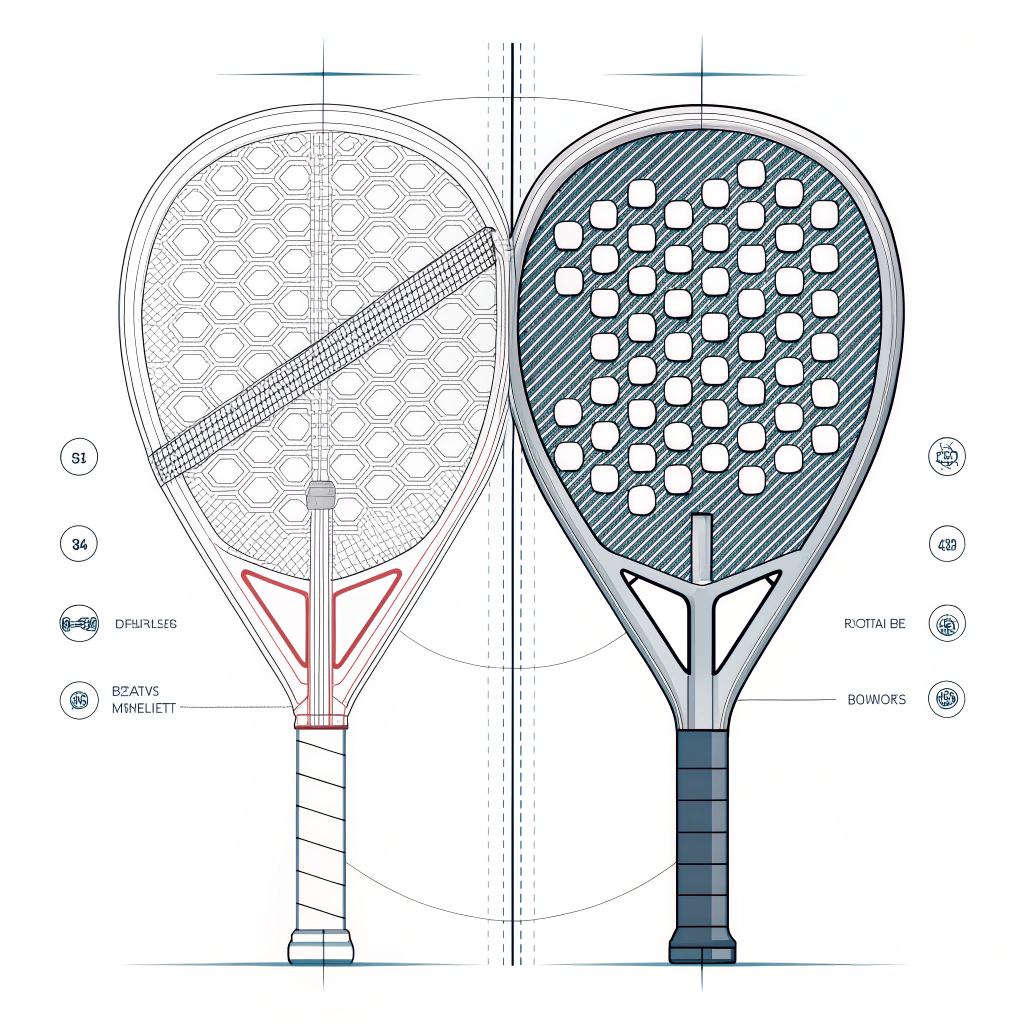
Padel racket frame construction is crucial in defining overall performance—balancing durability, energy transfer, vibration damping1 and precision in manufacturing. In this article, we explore how different materials and construction techniques impact a racket’s performance and provide practical insights for technical buyers looking to choose or improve sporting equipment.
Developing a high-performance padel racket involves a detailed study of materials and design. Many technical buyers and product development managers ask: How do different construction methods translate to better gameplay? The answer lies in material science2, engineering precision, and production techniques that balance weight, stiffness, and durability. Using materials like glass fiber and a range of carbon fiber3 types (3k, 12k, and 18k) can dramatically affect vibration damping and energy transfer during play.
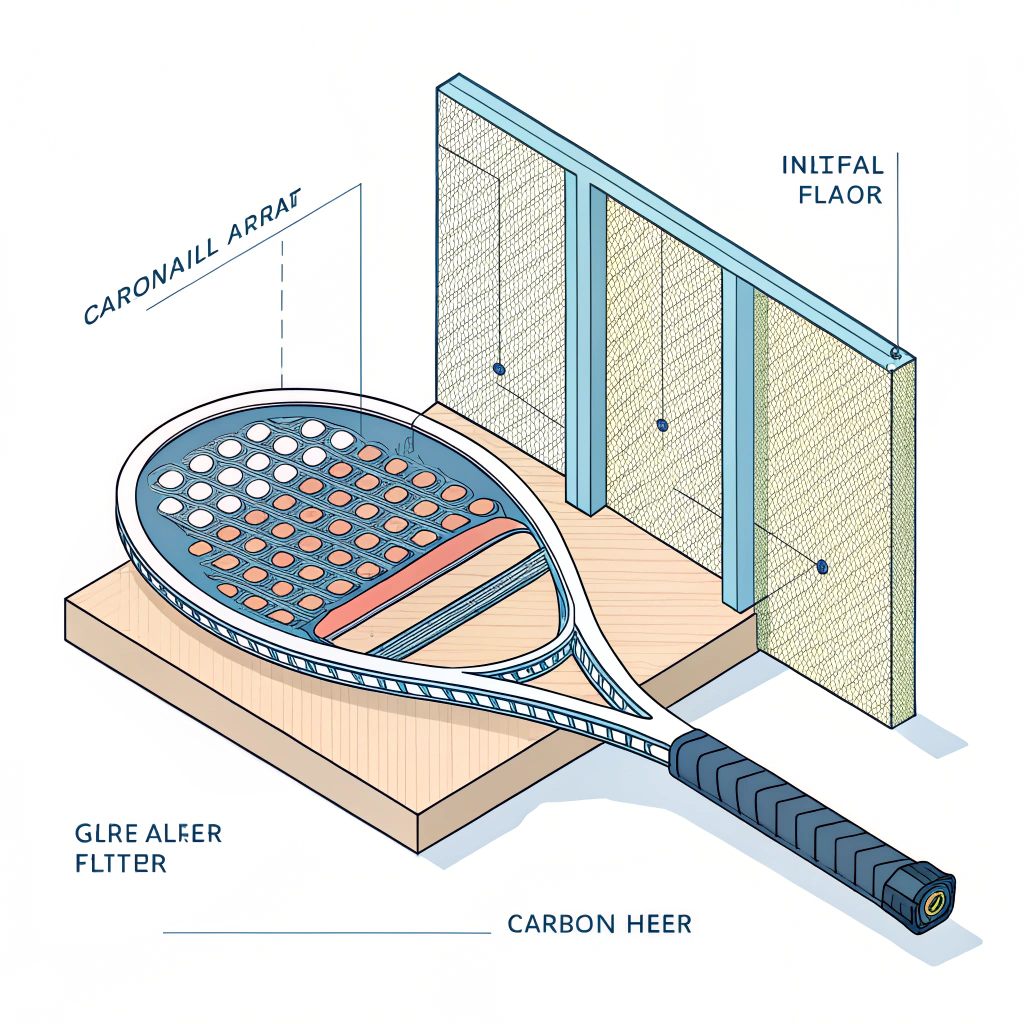
The performance of a padel racket is not solely defined by its shape or grip but is fundamentally a result of its frame construction. Companies in the sporting equipment industry need to consider several factors:
- Material selection: How glass fiber compares to carbon fiber.
- Carbon weave variations: The impact of using 3k, 12k, or 18k carbon fibers.
- Customized design elements: Options such as different shapes (Diamond, Round, Teardrop) and logo placements.
Material quality and construction techniques are critical for achieving an optimal balance between performance parameters like lightness for quicker maneuvers and robustness for longer service life.
- Glass Fiber vs. Carbon Fiber:
Glass fiber is known for its flexibility and cost efficiency, while carbon fiber, available in various weaves like 3k, 12k, and 18k, offers enhanced stiffness, durability, and energy transfer characteristics. - Carbon Fiber Weave Differences:
- 3k Carbon Fiber: Often used for its balance of stiffness and flexibility, making it suitable for entry-level to intermediate products.
- 12k Carbon Fiber: Provides higher stiffness and is common in performance-enhancing designs for mid-range rackets.
- 18k Carbon Fiber: Known for superior energy transfer and high durability, ideal for high-end products.
- Engineering Precision and Vibration Damping:
Vibration damping is essential to minimize energy loss and improve foreseeably smooth gameplay. The right choice of materials and production techniques significantly reduces the transfer of unwanted vibrations, directly enhancing player comfort and racket stability.
- Rapid Sample Production4: Quick turnarounds are critical in B2B relationships; the ability to rapidly produce and test samples allows for quick iteration and design refinement.
- Customization Capabilities: Customizable racket shapes and logo-printing options allow brands to differentiate themselves. The ability to customize not just the frame construction, but even handle materials like customized hand grips and handle covers, maximizes product appeal and functionality.
Below is a detailed comparison table summarizing key properties and benefits of different materials used in padel racket frame construction:
| Material Type | Weave Type | Key Properties | Performance Benefits | Suitable For |
|---|---|---|---|---|
| Glass Fiber | N/A | Flexible; cost-effective | Adequate energy transfer; lighter weight | Entry-level or budget products |
| Carbon Fiber | 3k | Balanced stiffness and flexibility | Good energy transfer; moderate vibration dampening | Entry to intermediate players |
| Carbon Fiber | 12k | Higher stiffness | Superior energy transfer; improved durability | Mid-range performance products |
| Carbon Fiber | 18k | Maximum stiffness and strength | Best vibration damping; extreme durability | High-end, professional-grade rackets |
This table serves as a practical guide for technical buyers to align their product design objectives with the appropriate material choices and construction methods.
Before selecting materials, clearly outline the performance parameters required for your padel racket. Consider factors such as:
- Weight and balance: For agility and control.
- Stiffness: To enhance energy transfer and ball impact strength.
- Durability: Ensuring long-term performance, especially under rigorous playing conditions.
- Vibration Damping: Minimizing the impact of vibrations on players' arms during intense matches.
Custom needs often require a bespoke mix of materials:
- Material Testing: Conduct controlled experiments to evaluate different fiber weaves under varying loads.
- Prototype Development: Use rapid sample production to produce prototypes that incorporate unique combinations of 3k, 12k, and 18k carbon fibers and glass fibers.
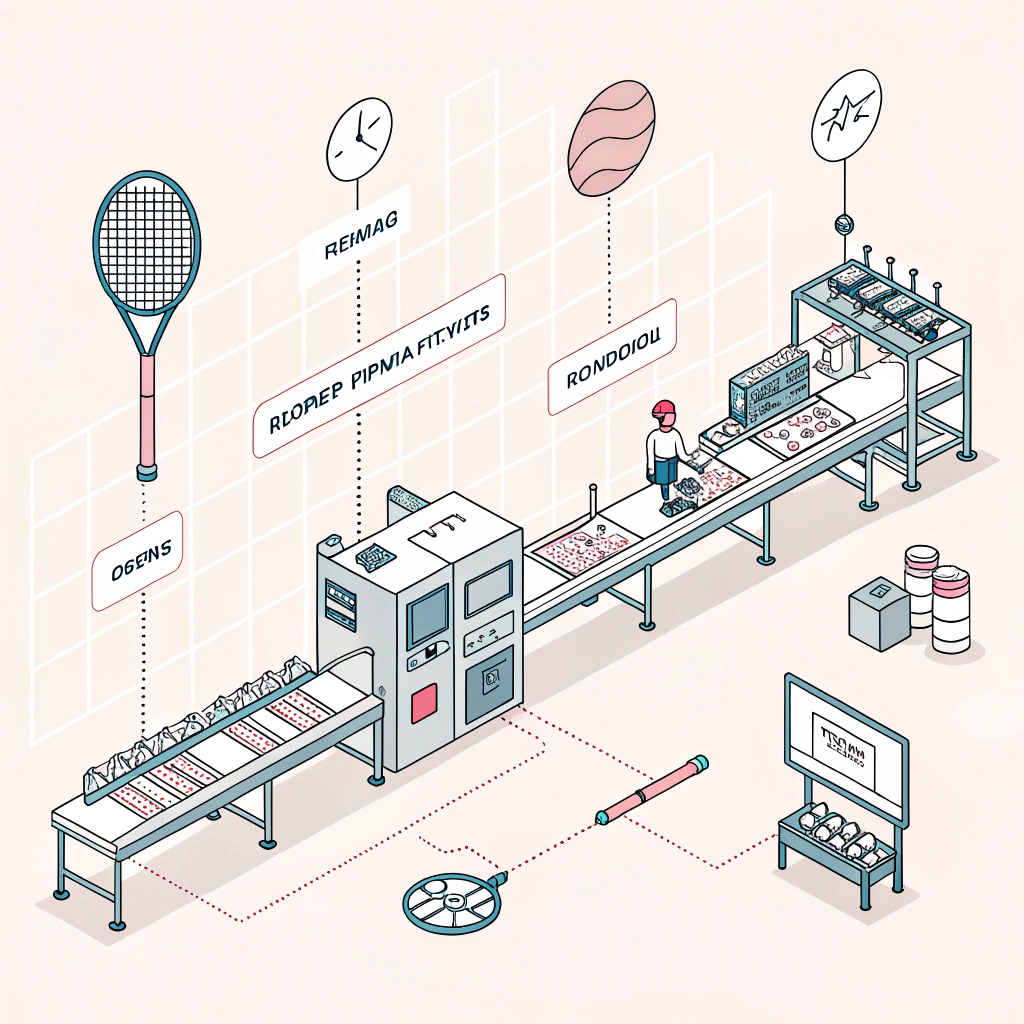
Implement advanced manufacturing processes:
- Precision Molding5: Ensures uniform material distribution and frame integrity.
- Quality Control: Each racket undergoes rigorous testing to ensure consistency in performance attributes like energy transfer and vibration damping.
- Customization Processing: Leverage digital printing and molding techniques for custom logos and other design tweaks without compromising the structural integrity of the racket.
- Field Testing: Engage with professional players to gather performance data in real-world scenarios.
- Iterative Design Improvements: Use feedback from testing to tweak the construction process, further enhancing the final product’s performance.
Within our operations at NEX Padel, our experience manufacturing padel rackets for well-known brands such as Hirostar, Reebok, and Starvie shows clear benefits of using tailored frame construction techniques:
- A shift from glass fiber to a hybrid system of 3k and 12k carbon fibers resulted in a racket with improved durability and reduced weight, significantly enhancing player performance during high-intensity matches.
- Custom designs incorporating 18k carbon fiber in the frame provided professional players with the right balance of power and control, validated by performance testing on various court surfaces.
Such case studies highlight the importance of material selection tailored to the intended use and client demands.
While advanced materials and customized designs offer significant benefits, there are critical considerations:
- Cost vs. Benefit: High-performance materials like 18k carbon fiber typically incur higher production costs. Budget constraints may necessitate trade-offs between performance and cost efficiency.
- Manufacturing Complexity: More advanced materials require specialized production lines and quality control mechanisms. This results in tighter production timelines and the need for experienced technical personnel.
- User-Specific Requirements: Each brand’s requirements may vary significantly. A one-size-fits-all solution is rarely optimal in high-performance sporting equipment manufacturing.
- Testing and Certification: Rigorous testing protocols are essential to ensure that any new production techniques meet industry standards and performance expectations.
A well-documented feedback loop from design to player testing is key to continual improvement in producing high-performance padel rackets.
In summary, the construction of a padel racket frame is not a mere manufacturing detail but the cornerstone of overall product performance. Key takeaways include:
- The intricate balance between material selection (glass fiber vs. carbon fiber weaves) and performance parameters like energy transfer and vibration damping.
- The importance of an iterative process in rapid sample production and design optimization.
- Customization in design offering technical and aesthetic advantages for distinct brand identities.
For technical buyers and product development managers, investing in advanced production techniques and a deep understanding of material properties will drive significant improvements in product performance. At NEX Padel, we integrate engineering precision with flexible customization options to meet the evolving demands of the padel market. We encourage you to evaluate your current production techniques and consider the described material benefits when planning your next product line.
Q1: How does frame construction affect padel racket performance?
A1: Frame construction determines the balance between durability, energy transfer, and vibration damping. Using advanced materials and specific carbon fiber weaves can lead to improved performance by offering the right mix of stiffness and flexibility tailored to different skill levels.
Q2: What are the main differences between 3k, 12k, and 18k carbon fiber in racket production?
A2: The main differences lie in stiffness and durability. 3k carbon fiber provides a balanced performance for entry-level products, 12k offers enhanced stiffness for mid-range performance, and 18k ensures superior energy transfer and vibration damping, ideal for high-end rackets.
Q3: Why is vibration damping critical in padel racket design?
A3: Vibration damping minimizes the transfer of unwanted vibrations to the player, ensuring greater comfort and control during play. This is vital for reducing fatigue and enhancing overall performance on the court.
-
vibration damping: Reading this article will explain techniques and benefits of vibration damping, crucial for reducing energy loss and improving user comfort. ↩
-
material science: Reading this article will provide insights into how material selection and properties influence product performance and drive innovation in design. ↩
-
carbon fiber: Reading this article will help you understand the advanced properties of carbon fiber and its role in enhancing durability, energy transfer, and overall racket performance. ↩
-
Rapid Sample Production: Reading this article will explore how rapid sample production accelerates product development and enables iterative design improvements in manufacturing. ↩
-
Precision Molding: Reading this article will detail how precision molding ensures uniform material distribution, maintains structural integrity, and contributes to high-quality production. ↩