Skip to content

Padel balls are the cornerstone of high-intensity matches and training sessions. In this article, we provide a clear and technical explanation of how our high-performance padel balls meet the rigorous standards of durability, material quality, and packaging integrity demanded by professional sports. By addressing common manufacturing challenges and outlining our proven solutions, procurement managers can confidently decide on a reliable supplier for bulk and OEM orders1.
Procurement managers in the sports equipment industry face a series of challenges when selecting padel balls. They need products that excel in:
• Material Quality – Ensuring the right wool composition2 (45% or 57%) provides the necessary balance between durability and playability.
• Performance Standards – Guaranteeing consistency in bounce, control, and overall performance during competitive play.
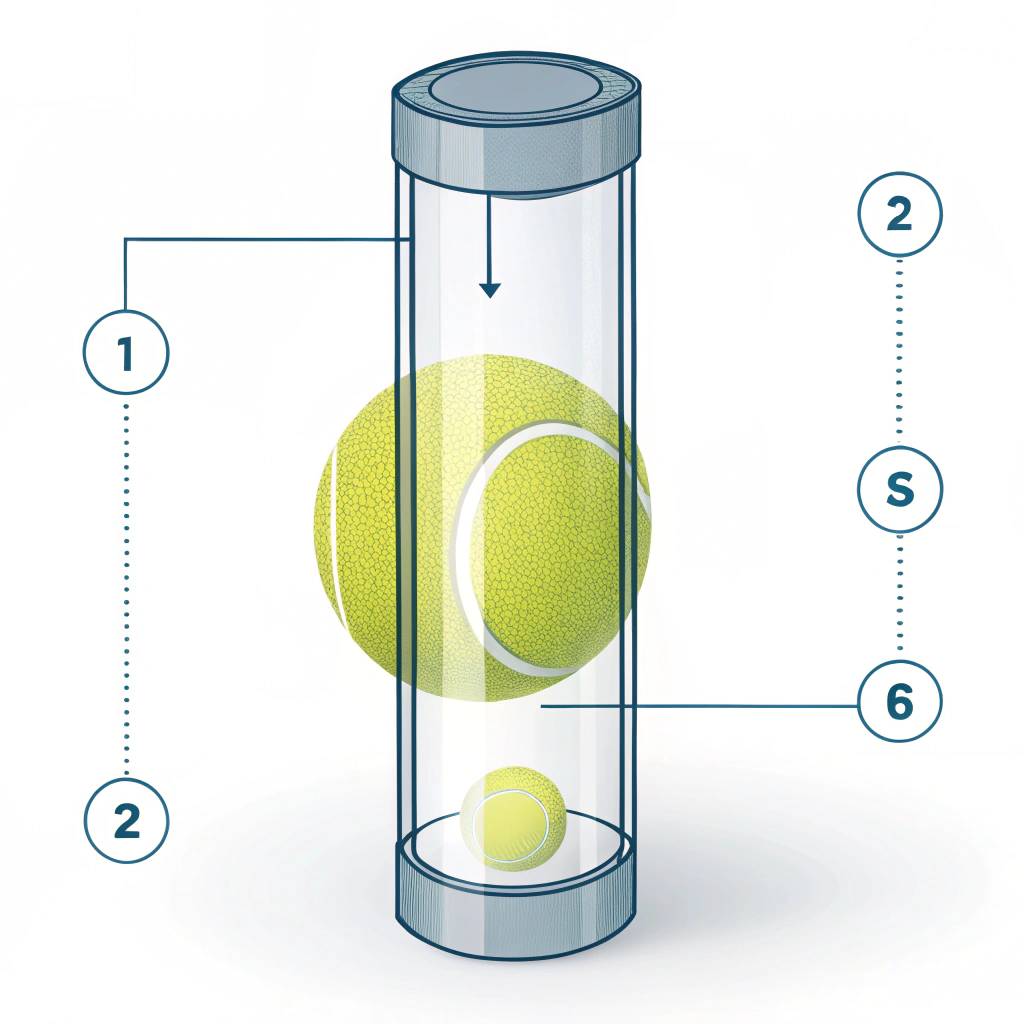
• Packaging Integrity – Using pressurized tube packaging3 to maintain optimum pressure over extended storage and transport periods.
Meeting these requirements is crucial to support professional match conditions and training environments. Issues such as premature wear, substandard manufacturing, or compromised packaging could lead to inconsistent play and higher long-term costs.
The challenges in choosing high-performance padel balls arise from several underlying factors:
-
Wool Composition Variability:
Different blends, such as 45% wool and 57% wool, influence the playing characteristics. A lower wool blend might reduce the ball’s durability, while a higher wool content can alter the bounce and speed. Procurement managers often struggle with identifying the optimal blend for versatile use. -
Complex Packaging Requirements:
Pressurized tube packaging3 is essential to maintain the internal pressure that defines ball performance. Without this packaging standard, balls may lose pressure during shipment or storage, resulting in a less consistent playing experience. -
Production Reliability:
High-performance sporting goods demand a low margin for error. Inconsistent production batches can lead to performance variances, which in turn affects user satisfaction and professional standards. Partnering with a manufacturer that upholds stringent quality controls is critical.
These factors underscore the necessity for a supplier experienced in advanced manufacturing techniques and committed to quality assurance. This is where NEX Padel’s expertise comes into play, turning challenges into competitive advantages.
At NEX Padel, our approach is designed to address the discussed challenges through a detailed, solution-oriented process. Below is a clear breakdown of our methodology:
We utilize advanced production techniques to ensure the precise mix of wool, whether it’s a 45% blend for training balls or a 57% blend for those used in competitive matches. Our rigorous R&D process guarantees that each ball meets professional standards.
- Key Material Benefits:
- Durability: Extended lifespan with reduced wear.
- Performance: Consistent bounce and control.
- Versatility: Suitable for both training and competitive play.
Our pads are meticulously packaged in high-quality pressurized tube packaging3. This packaging method preserves the internal pressure essential for the ball's performance. It also provides additional protection during transportation and storage, ensuring that the product arrives at your door in pristine condition.
- Packaging Advantages:
- Pressure Integrity: Maintains ball performance over time.
- Enhanced Protection: Minimizes damage during logistics.
- Quality Certification4: Meets industry safety and quality standards.
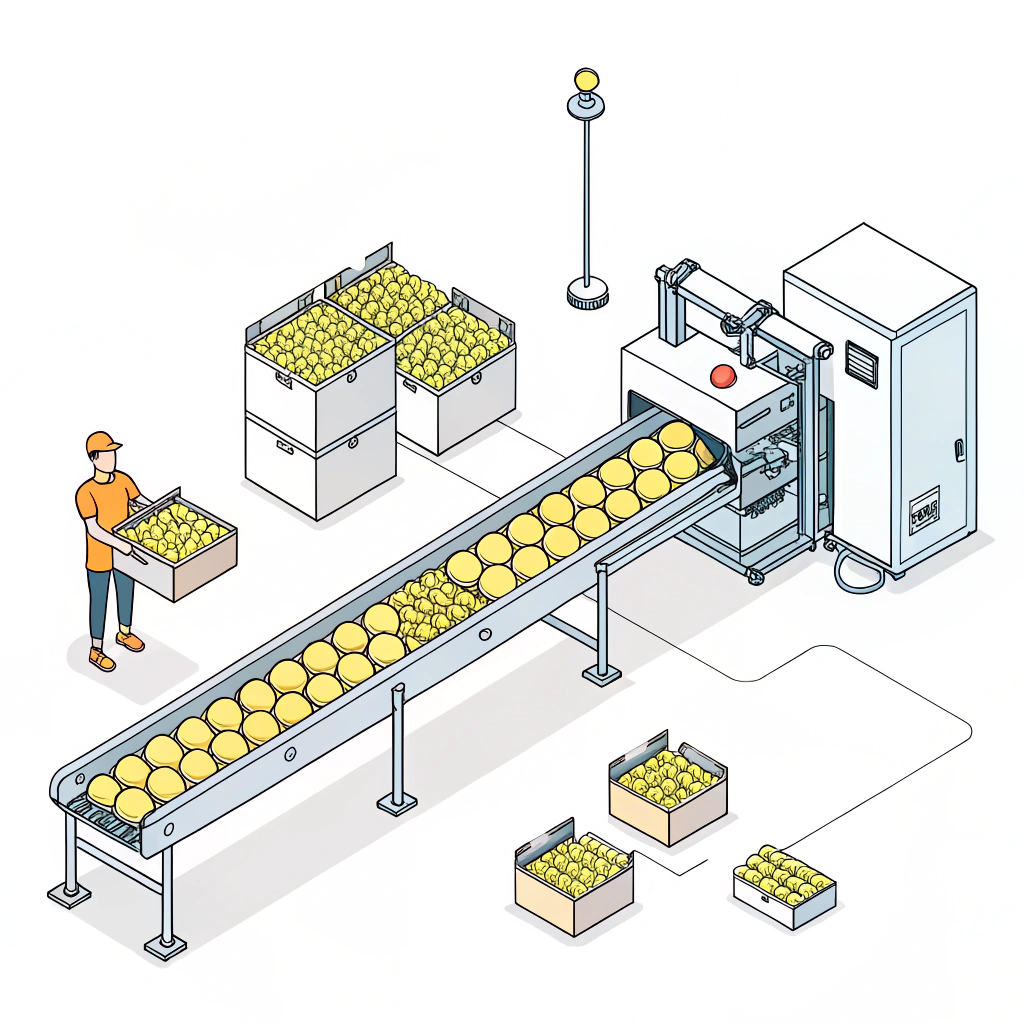
Our manufacturing process is designed for consistency and speed. With strict quality control measures in place, we can deliver large volumes without sacrificing product integrity. This reliability supports your business by offering a competitive turnaround time and sustained product performance.
Below is a comparative table highlighting the key technical specifications of our padel balls alongside industry benchmarks:
| Specification | NEX Padel Standard | Industry Benchmark |
|---|---|---|
| Wool Composition Options | 45% for training; 57% for competitive performance | Varies; often less optimized |
| Ball Performance | Consistent bounce, control, and durability | Inconsistent performance across batches |
| Packaging | High-integrity pressurized tube packaging3 | Common packaging often lacks pressurization |
| Quality Control | Stringent multi-stage QC process | General QC may miss key performance variances |
| Certifications | Meets international sports quality standards | Varies by supplier |
| Customization Options | Custom printed logos, shape customization, hand grip variations | Limited or no customization |
This table demonstrates our commitment to high standards and provides a clear framework for comparison when deciding on a padel ball supplier.
We adopt a multi-step process to ensure our padel balls meet the highest standards:
-
Material Sourcing and Testing:
Our raw materials are sourced from established suppliers and rigorously tested in our labs. We analyze each batch to verify its suitability for either training or competition. -
Advanced Manufacturing:
Using state-of-the-art production techniques, such as carbon fiber reinforcements5 (3k, 12k, and 18k options), our manufacturing line ensures precision in every ball produced. This not only enhances durability but also allows for consistent performance under high-stress conditions. -
Rigorous Quality Control:
Through multi-stage inspections and performance testing, our quality control process simulates various match and training conditions. This guarantees that each ball performs reliably regardless of environmental factors or usage intensity. -
Packaging and Delivery:
Our process concludes with an advanced packaging system. Utilizing pressurized tube packaging3, each ball is carefully sealed to maintain the necessary internal pressure. This method reduces the risk of performance degradation during transit.
A sports club chain recently faced frequent complaints regarding variability in padel ball performance during matches. Their existing supplier’s products often failed to maintain pressure, affecting game consistency and leading to unscheduled ball replacements during tournaments.
- Detailed Analysis: We reviewed the club’s existing products and identified that traditional packaging was a major culprit.
- Custom Production Run: NEX Padel provided a tailored batch of padel balls with an optimized wool blend and robust pressurized tube packaging3.
- Performance Outcome: The new batch exhibited improved durability, consistent bounce, and lasted significantly longer under competitive stress.
This case study highlights our ability to solve real-world issues and deliver products that not only meet but exceed industry benchmarks.
For procurement managers evaluating padel ball suppliers, here are a few actionable steps:
-
Request Full Technical Specifications:
Ensure that suppliers provide comprehensive details on wool composition, ball performance, and packaging techniques. -
Evaluate Quality Certification:
Look for verified quality assurance measures and production quality control processes. Certification enhances supplier credibility. -
Check for Customization Options:
If branding or specific play characteristics are essential, choose manufacturers offering tailored solutions. -
Assess Production Turnaround and Batch Consistency:
Reliability and rapid production are key. Suppliers like NEX Padel can ensure minimal disruption in your supply chain. -
Pilot Testing:
Before committing to a large order, arrange for pilot testing with your club or store to verify the product's performance under your specific conditions.
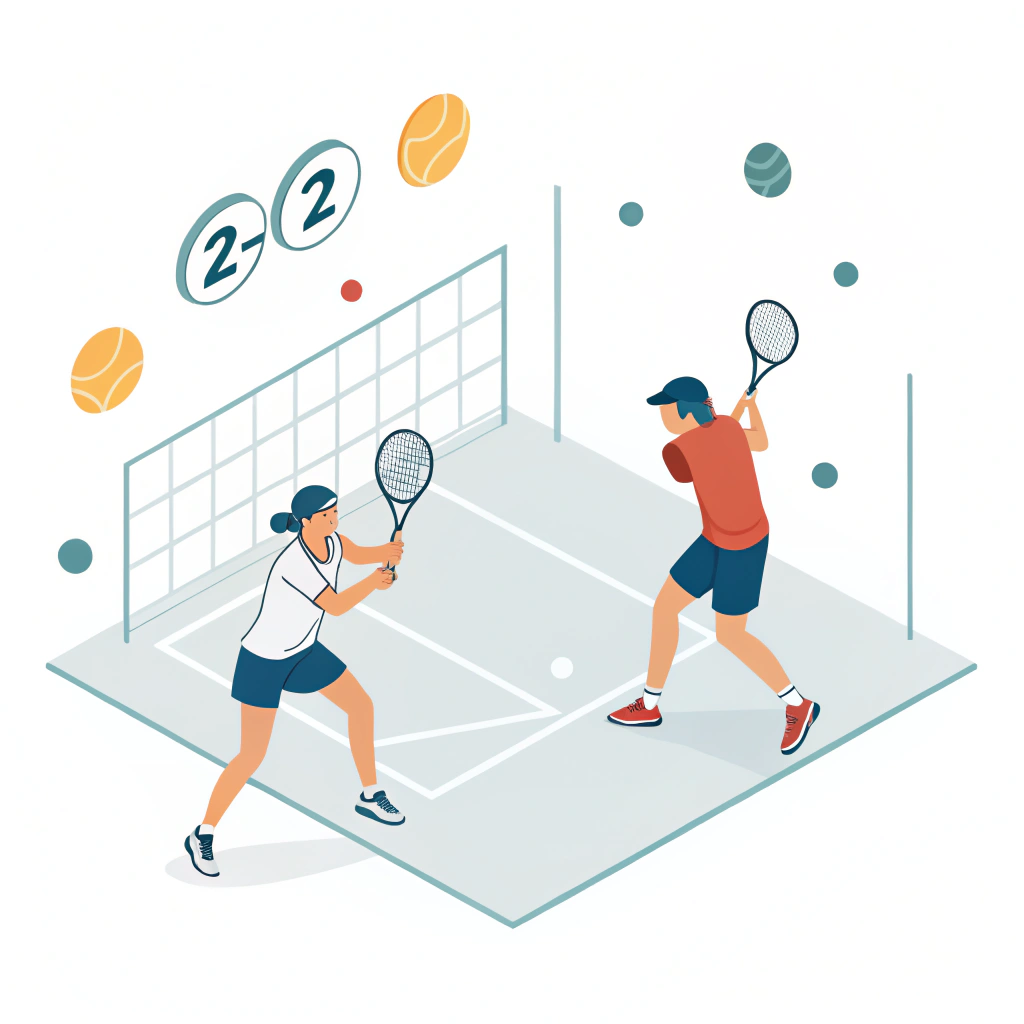
High-performance padel balls are critical to maintaining competitive edges and training efficiencies in professional sports. By focusing on material quality, packaging integrity, and production reliability, NEX Padel delivers a product that seamlessly aligns with your business needs.
In summary:
- Our advanced manufacturing methods ensure that each padel ball meets the highest standards.
- Our detailed quality control, innovative packaging, and rapid production capabilities provide a competitive advantage.
- With customized options and reliable performance metrics, we are fully equipped to support procurement managers in making informed decisions.
We invite procurement professionals to explore a partnership with NEX Padel to ensure their sporting equipment portfolio delivers unmatched performance and durability for every game.
• What padel balls last the longest?
Training padel balls are designed with durability in mind, making them ideal for refining technique. For competitive play, match balls offer a carefully balanced blend of bounce and precision, ensuring long-lasting performance.
• What are the best padel balls to buy?
The top padel balls are known for their durability, control, and excellent performance. Leading brands such as Bullpadel, Head, Babolat, and Wilson offer products that meet high performance standards, making them excellent choices across different levels of play.
• What balls do they use in Premier padel?
Wilson’s Premier Padel Balls, with their New Dura-Weave Felt and engineered core, are a popular choice. These balls are specifically designed to offer accelerated play on faster surfaces while maintaining optimal performance on slower courts.
-
OEM orders: Read this article to understand how Original Equipment Manufacturer (OEM) orders play a critical role in tailoring production runs and ensuring product consistency for bulk procurement in the sports equipment industry. ↩ ↩
-
wool composition: Learn more about wool composition to discover how the blend percentages impact durability, bounce, and overall performance in high-performance sporting goods. ↩ ↩
-
pressurized tube packaging: Explore the principles behind pressurized tube packaging and why maintaining internal pressure is vital for the optimal performance and longevity of padel balls. ↩ ↩ ↩2 ↩3 ↩4 ↩5 ↩6
-
Quality Certification: Understand the importance of quality certification in building supplier credibility and ensuring that products meet industry safety and performance standards. ↩ ↩
-
carbon fiber reinforcements: Discover how carbon fiber reinforcements (including 3k, 12k, and 18k variants) contribute to the structural integrity and durability of sporting equipment during high-stress use. ↩ ↩