Skip to content
In short: partnering with an experienced OEM like NEX Padel for padel racket customization lets brands achieve clear product differentiation, higher margins, and consistent quality — if you pick the right materials (fiberglass vs 3k/12k/18k carbon1), shape (Diamond, Round, Teardrop), and confirm MOQ2, sample timelines, and QA checkpoints up front. Typical sample lead times: 7–21 days; production lead times: 4–10 weeks depending on volume and complexity.
Brands, retailers, and club chains are competing on experience as much as price. A custom racket:
- Signals brand expertise and builds loyalty.
- Allows margin uplift through premium materials, exclusive shapes, and co‑branding.
- Supports product segmentation (entry, mid, pro) without relying on commodity SKUs.
But procurement teams face practical questions: what materials to choose, how shapes affect play, realistic MOQs and lead times, and how to guarantee consistency at scale. Below is a pragmatic guide to evaluate OEM partners and make a sourcing decision.
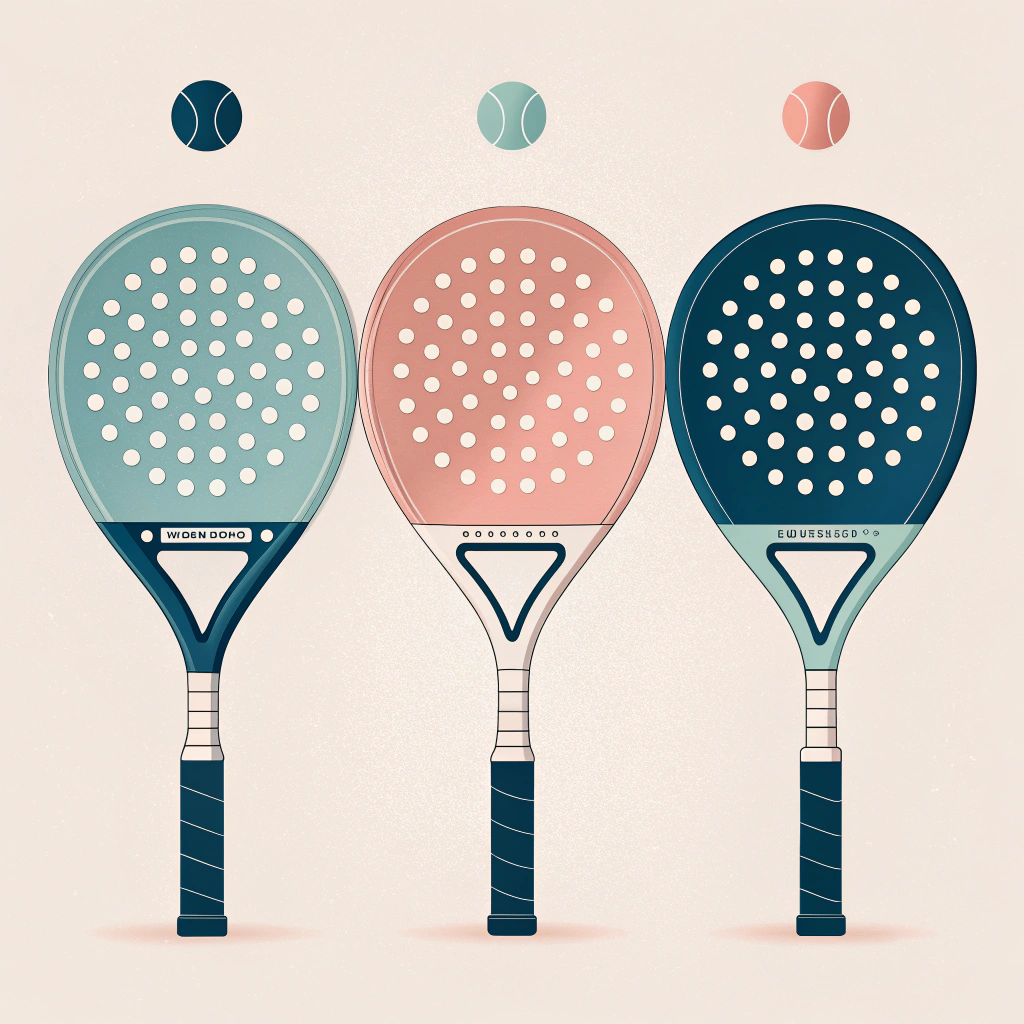
Start by matching product position (entry/mid/pro) to materials and construction.
- Fiberglass — lower stiffness, softer feel, cheaper. Good for entry-level, higher tolerance for surface imperfections, and lower unit costs.
- Carbon fiber (3k, 12k, 18k) — increasing stiffness, better power response and durability. 3k offers a fine weave and balanced feel; 12k / 18k give different aesthetics and stiffness. Higher tow counts usually mean smoother finish and potentially higher cost.
- Core — EVA density3 choices (low/medium/high) determine control vs power. Blend core density per target player profile.
- Surface treatments — varnish, matte/gloss finishes, anti‑scratch coatings, textured surfaces for spin.
Shapes and their player impacts:
- Diamond: higher balance point → more power, smaller sweet spot. Target: advanced hitters.
- Teardrop: balanced power/control; mid/high sweet spot.
- Round: largest sweet spot → control and forgiveness. Target: beginners/intermediates.
Design decisions should map to your target customer, price point, and brand story.
| Option | Feel / Performance | Cost | Best for | Production notes |
|---|---|---|---|---|
| Fiberglass | Softer, more control | Low | Entry / mass-market | Easier process control; good for higher-volume low-cost SKUs |
| Carbon 3k | Balanced power/control | Medium | Mid-range / pro-am | Popular compromise; finer weave, good finish |
| Carbon 12k / 18k | Stiffer, sharper power | High | Premium / pro | Requires careful QA for resin infusion and curing |
| Hybrid (Fiberglass + Carbon) | Tunable feel | Medium | Performance line | Combines forgiveness and stiffness; design more complex |
Bold material mentions above are first occurrences and help anchor supplier conversations.
Below are realistic ranges to use when comparing OEM offers. Exact numbers depend on specifications (shape, core density, full custom mold, printing complexity).
| Item | Typical range | Notes |
|---|---|---|
| MOQ (standard shapes, custom print) | 300–1,000 pcs per SKU | Lower MOQs possible for repeat orders; full custom molds may raise MOQ |
| MOQ (full custom mold / shape) | 1,000+ pcs | New molds/tools increase tooling amortized cost |
| Sample timeline (prototype + logo print) | 7–21 days | Rapid samples: 7–10; complex finishes 2–3 weeks |
| Production lead time (first order) | 4–10 weeks | Add curing and finishing time; peak season may extend |
| Unit price (approx.) | $15–$120+ | Depends on material, finish, and quantity — fiberglass at low end, full carbon premium |
When you ask suppliers, always require: sample timeline, breakdown of tooling costs, per‑unit price at different tiers (e.g., 300/500/1,000/5,000).
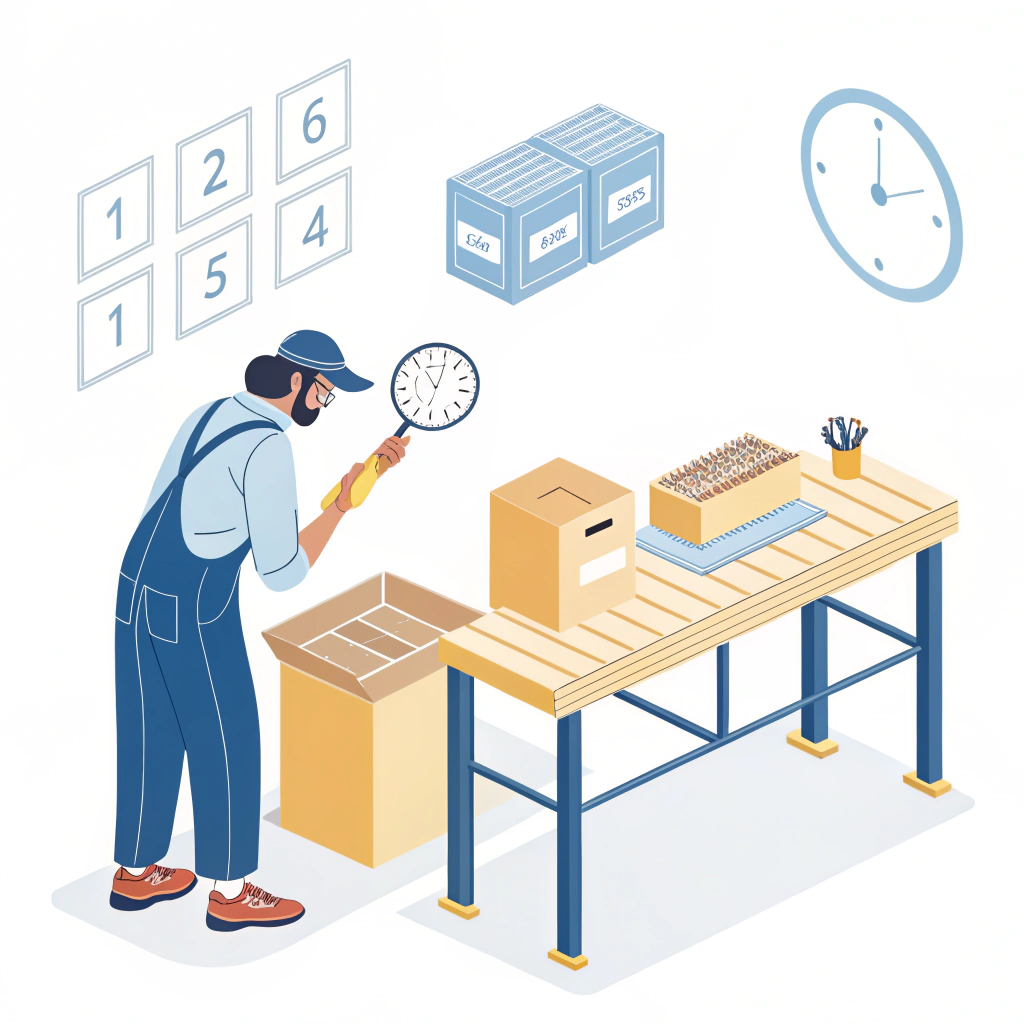
To move from evaluation to contract, build a QA checklist and request proof from the OEM:
- Materials traceability
- Raw material specs: resin, carbon tow (3k/12k/18k), fiberglass type.
- Batch traceability and certificates (RoHS, REACH if required).
- Dimensional tolerances and weight
- Specify acceptable ranges (± grams weight, ± mm thickness).
- Request CMM reports or sample measurement charts.
- Mechanical tests
- Impact resistance, flex tests, and torsional rigidity per spec.
- Surface & finish inspection
- Color match (Pantone), varnish uniformity, logo fidelity.
- Playtesting & performance validation
- Provide acceptance criteria: sweet spot behavior, balance point, and durability cycles.
- Production sampling regime
- Packaging & labeling checks
- Packaging integrity, barcodes, instruction cards, and case marking.
NEX Padel supports these checkpoints and can provide test reports, third‑party inspection, and production photos at agreed milestones.
- Tooling amortization5: who pays and how is it amortized across MOQ tiers?
- Warranty and defect allowance: define acceptable return rate and remediation steps.
- Lead-time penalties or expedited options: SLA for delayed shipments.
- Intellectual property: NDAs, mold ownership, and re-order rights.
- Payment terms: typical 30% T/T deposit, 70% before shipping — alternatives may be negotiated.
- Packaging and ASN (Advanced Shipping Notice) requirements for your DCs.
A true turnkey OEM should cover:
- Fast prototyping (7–21 days) and clear tooling terms.
- Support for custom printing, logo hand grip and custom handle cap branding.
- In‑house finishing and varnish options (matte, gloss, textured).
- Integrated QA and third‑party testing on request.
- Optional supply for pressurized padel balls (45% or 57% wool) with branded tube packaging.
- Transparent MOQ/lead time tiers and sample photo/video documentation during production.
NEX Padel provides rapid sampling, supports full customization including shapes beyond Diamond/Round/Teardrop, and can bundle padel balls sourced from vetted partners in pressurized tubes.
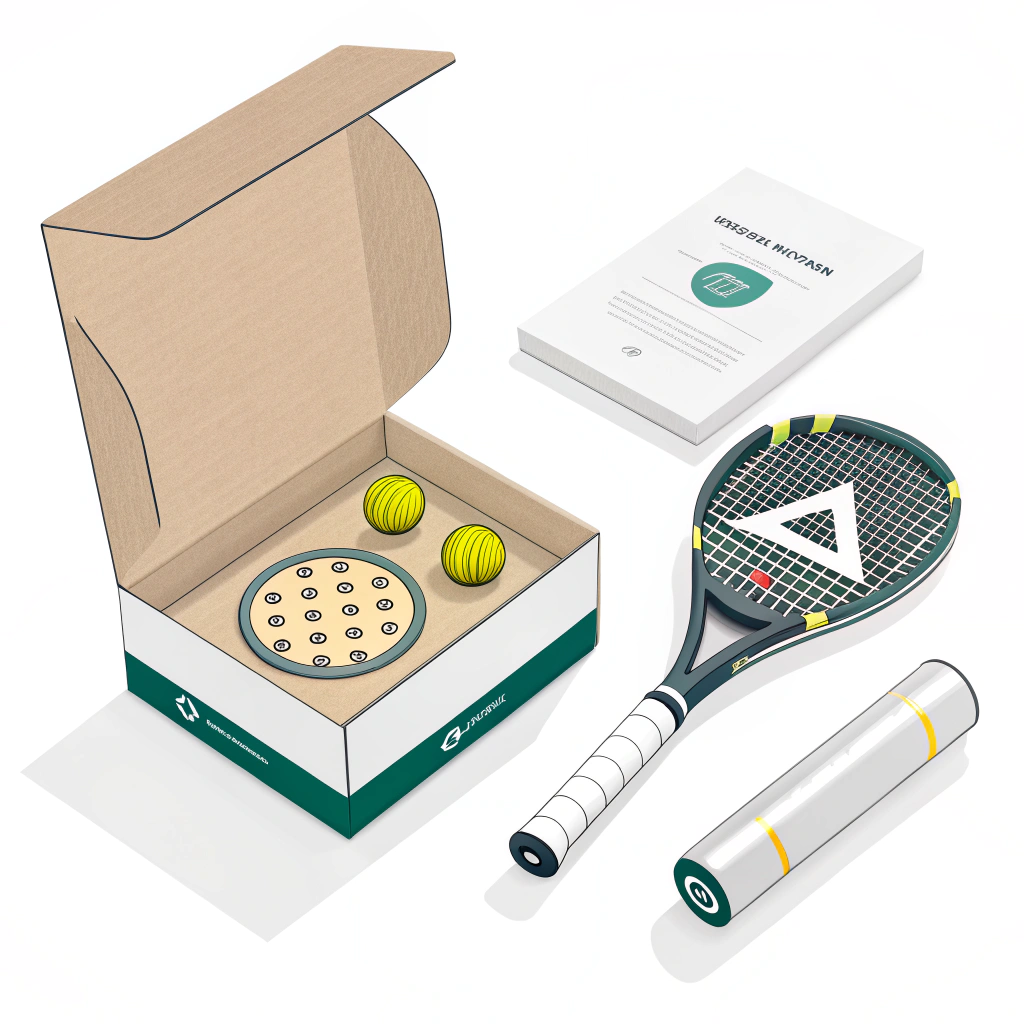
Small touches improve perceived value and margins:
- Premium packaging with custom inserts and instruction cards.
- Branded hand grips, handle caps, and custom mold imprints.
- Bundling with pressurized padel balls (45% or 57% wool) for starter kits; specify pressure retention requirements and tube labeling.
- After-sales support: replacement policies and spare parts (grips, caps).
Before you sign an OEM contract, ensure you have:
- Product spec sheet (materials, density, weight, balance, tolerance).
- Mold and tooling cost schedule plus amortization.
- MOQ tiers and sample timelines in writing.
- QA plan with acceptance criteria and AQL levels.
- Signed NDA & IP clauses for custom shapes.
- Logistics and packaging requirements confirmed, including lead times and incoterms.
Practical decision rubric:
- If you aim to enter market fast with low capital → choose fiberglass, standard shapes, MOQ ~300–500.
- If you want performance credentials and margin → choose 3k or hybrid carbon, MOQ ~500–1,000, invest in premium finishes.
- For true premium/co‑brand launches → full carbon (12k/18k), proprietary molds, MOQ 1,000+, invest in testing and marketing support.
- Week 0: Finalize spec, sign NDA, place sample order (deposit).
- Week 1–3: Prototype production and review (1–2 rounds).
- Week 3–4: Approve pre‑production sample (PPS), finalize tooling.
- Week 4–12: Production run (depending on volume), with periodic QA checks.
- Week 12–14: Final inspection, packing, shipment preparation.
- Week 14+: Delivery to warehouse/fulfillment.
Adjust for complexity — full custom molds add 2–4 weeks upfront.
- Factory located in Jiaxing, Zhejiang — experience in volume production and export compliance.
- Materials: options from fiberglass to 3k/12k/18k carbon; capacity to mix layups for desired performance.
- Fast sampling and consistent lead times; references in OEM for brands like Hirostar, Reebok, Starvie.
- Integrated options: custom grips, handle caps, and supply chain for pressurized padel balls in 45% or 57% wool.
- Quality control processes and willingness to support third‑party testing and inspection.
- Draft a one‑page product spec for each SKU (shape, material, core density, weight, finish).
- Request a formal quote with MOQ tiers, tooling cost breakdown, and sample time.
- Ask the OEM for a QC plan and sample test reports from previous clients.
- Order a production sample, validate on court with your target players, then approve PPS for the first batch.
- Negotiate packaging and logistics terms and sign a purchase contract with clear IP and warranty clauses.
If you need a template spec or a sample checklist, NEX Padel can provide a starter pack to speed procurement and reduce iteration cycles.
People Also Ask
Q: Do different padel rackets make a difference?
A: Yes. Racket shape and construction directly influence the location and size of the sweet spot, balance point, and overall play behavior. Diamond shapes bias toward power with a smaller sweet spot; Round shapes maximize control and forgiveness; Teardrop offers a middle ground. Material and core choices further change stiffness and feel, so pick shape + materials to match your target player profile.
Q: What is the technology of padel racquets?
A: Modern padel rackets use composite materials and precise molding processes. Typical technologies include fiberglass or various carbon fiber weaves (3k/12k/18k), resin systems and controlled curing to achieve desired stiffness. Surface treatments (varnish, textured coatings) and core foams (different EVA densities) tune control, power and durability. Manufacturers may also use hybrids and multi‑layer layups to achieve distinct performance signatures.
-
3k/12k/18k carbon: Read to understand what tow counts (3k, 12k, 18k) mean for weave appearance, stiffness, finish quality, and cost tradeoffs so you can specify the right carbon layup for your SKU. ↩ ↩
-
MOQ: Read to learn typical minimum order quantities, how MOQs change with tooling or repeat orders, and negotiation strategies to manage cashflow and inventory risk. ↩ ↩
-
EVA density: Read to see how different EVA foam densities affect power vs control, durability, and recommended player profiles — useful for matching core specs to market segments. ↩ ↩
-
AQL: Read to learn about Acceptable Quality Limits (AQL), sampling plans, and how to set inspection levels to balance risk and inspection cost during production. ↩ ↩
-
Tooling amortization: Read to understand methods for amortizing mold/tool costs across MOQ tiers, including one-time vs per-unit charging and contract clauses to protect your IP and cost exposure. ↩ ↩